
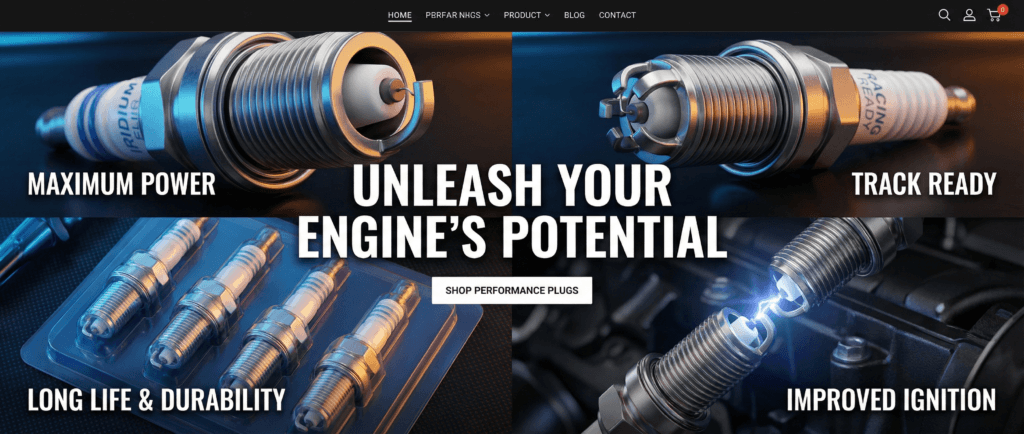
Your engine’s ignition system fires up to 3,000 times per minute at highway speeds-and every single spark matters. Miss just one, and you’ll feel it in lost power, wasted fuel, or that telltale hesitation when you punch the accelerator. So when you’re staring at a wall of spark plugs at the auto parts store, watching the price jump from $3 to $15 per plug, the question isn’t whether performance plugs are ”better”-it’s whether they’re better for you.
Now, you might be wondering why we don’t just slap performance plugs into every engine out there. Well, it comes down to cost, necessity, and the kind of driving you do. Performance plugs are engineered for durability and higher energy firing. They’re made from materials like iridium or platinum, which are far more durable than the nickel used in standard plugs.
With these kinds of plugs, the spark is stronger and more consistent. This means better performance overall, with fewer hiccups in your ride. And who doesn’t want their car to run like a well-oiled machine, right? They’re crafted with fewer conductive losses, so you get better ignition spark without using additional battery power.
In terms of performance and reliability, these plugs stand out. But it’s not always about sheer power. Sometimes, it’s the efficiency and longevity of your engine that gets the real boost. So, if you’re thinking of upping your car game, understanding these performance dynamos is a good place to start.
The Mechanics of Performance Spark Plugs
Ever wonder why your car might purr like a kitten one day and cough like it needs some warm-up stretches the next? Performance spark plugs could be the answer to more consistent engine behavior. They’re designed to boost combustion efficiency, which directly affects how your engine performs over time.
These nifty plugs are often made from materials like iridium or platinum, which aren’t just fancy sounding—they’re tough. Iridium, for example, can withstand higher temperatures and more wear and tear than the usual nickel plugs. This means they wear out less quickly, saving you from frequent replacements and potentially pricey repair bills.
But it’s not just about what they’re made of. Performance spark plugs often come with innovative designs, like a smaller center electrode. This lets them concentrate the spark better, maximizing the combustion process. A more intense spark means every drop of fuel burns more thoroughly, giving your ride that satisfying power and punch.
It’s like having a tiny, steadfast soldier in each cylinder, ensuring everything fires up just right. It leads to fewer misfires and helps your engine run smoother, even if you push your car to its limits. Plus, they help with maintaining good fuel economy. With today’s gas prices, who doesn’t want a few extra miles out of a gallon?
Incorporating these performance plugs can be a real game-changer if you’re looking for that extra edge, especially if driving is more than just getting from point A to B for you. Performance plugs don’t promise extreme changes, but the improvements in stats are noticeable and worthwhile.
When to Use Performance Spark Plugs
Thinking of boosting your car’s performance?
Performance spark plugs can be a smart upgrade—but timing matters. The right moment to switch depends on what you want from your vehicle.
High-performance or racing use
- Performance spark plugs are almost essential
- They deliver a stronger, more consistent spark
- Designed to handle high-revving, high-demand engines
- Ideal for engines pushed to their limits on track or under heavy load
Everyday driving with added demands
- Useful if you drive long distances frequently
- Can benefit older vehicles that need a performance refresh
- Improve combustion efficiency
- Help deliver smoother acceleration and more reliable engine response
What performance plugs really do
- Enhance your engine’s existing capabilities
- Improve efficiency rather than create unrealistic power gains
- Reduce misfires and inconsistent revs
- Support smoother overall engine operation
Great companion for other upgrades
- Ideal if you’re adding a turbocharger
- Complements exhaust system upgrades
- Helps ensure added power isn’t limited by weak ignition components
Compatibility matters
- Different engines require different spark plug types
- Always consider your car’s make and model
- Consulting a trusted mechanic or doing proper research helps determine the right time to upgrade
Calculating the Horsepower Gains

Theory meets reality on the dyno. We don’t guess horsepower-we measure it.
So, does plugging in performance spark plugs turn your car into a street beast? How much extra horsepower are we really talking about? Reality check time. Performance spark plugs on their own don’t add tons of horsepower. But what they do is allow your engine to make the most of its capabilities.
The number you’re often hoping to boost isn’t likely to skyrocket just because of a spark plug change. It’s more about enhancing what your engine already does well and maximizing efficiency. In fact, the horsepower increase from just swapping out spark plugs is usually minimal, maybe a few ponies at best.
Factors like the engine’s condition, type, and other modifications play a big role. If everything else under the hood is optimized, the additional reliability and cleaner combustion might give you a little bump. This small bump, though, often feels bigger when paired with other performance upgrades.
Where performance plugs shine is by preventing power loss rather than creating power out of thin air. With a more efficient firing of the fuel mixture, you keep your horsepower more consistent across varying conditions, like temperature changes or prolonged usage.
Now, if you want significant horsepower gains, you need a comprehensive approach. Combining performance spark plugs with upgrades like a high-flow air filter, a superior exhaust system, or even engine remapping could multiply the effectiveness, letting each component do what it does best without any hold-up.
Choosing the Right Performance Spark Plugs
Fitting your engine with the right performance spark plugs is like finding the perfect pair of sneakers—it’s gotta be the right fit, or you’re not gonna get the results you want. Compatibility matters big time. Not all plugs fit every car, so dig into the specifications before buying. Engines are like snowflakes in their uniqueness, and the wrong plug could mess with your performance goals.
Brand plays a role here too. Sticking with reputable brands often means you’re getting a product that’s been tested extensively and proven in the field. Some well-known names have been around the block enough to earn a trusted reputation. Look up reviews, ask fellow car enthusiasts, or consult forums to get real-world advice on brands that align with your ride’s needs.
Consider the material, but also think about what you want from the spark plugs. If you’re after longevity and less hassle, iridium is a common go-to because it lasts longer and performs better under tough conditions. If you’re budget-minded, platinum might serve you well without the extra cost.
Never overlook the importance of matching these plugs with other modifications. The best results often come when performance spark plugs are used alongside other enhancements. Think of them as part of a team where each play its part to deliver better horsepower, torque, and overall engine efficiency.
Getting advice from a mechanic you trust or someone who’s got a solid track record in car modifications can steer you in the right direction. They can help ensure you make a purchase that won’t end up collecting dust in your garage.