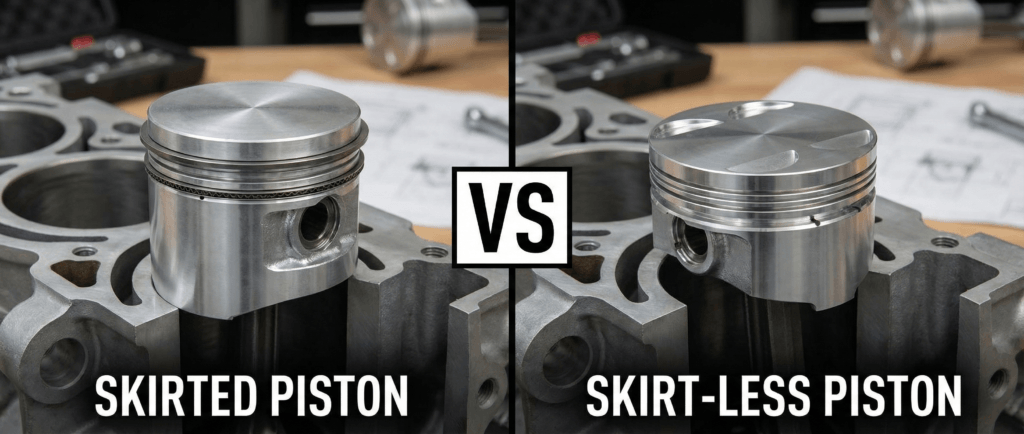
Skirted Vs Skirtless Pistons: Pros And Cons

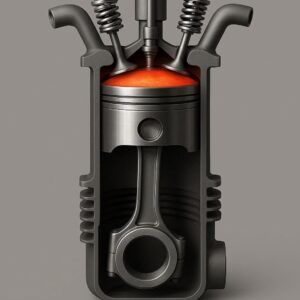
Welcome to the world of pistons gearheads, here we compare skirted and skirt-less pistons what exactly is the difference you might be wondering, allow me (Odwa) to help you out. Well, skirted pistons have an extended wall, or a ‘skirt,’ that hangs down the sides. It helps stabilize the piston as it moves up and down. In contrast, skirt-less pistons, or “slipper pistons,” are all about efficiency with minimal skirt coverage. Their sleek design is focused on reducing weight and friction.

Historically, the evolution of piston designs reads like an engine enthusiast’s adventure. The early days of combustion engines saw mostly skirted pistons due to their robustness and simplicity. But as engines pushed boundaries for more power and speed, the trend moved towards more efficient designs—enter the skirt-less piston. Enthusiasts sometimes refer to this as the evolution from bulk to brilliance.

Why does any of this matter? Engine efficiency isn’t just about what’s under the bonnet—it’s about what’s inside, too. The choice between skirted and skirt-less pistons can seriously impact engine performance. Skirts add a layer of stability and reduce wobble as the engine hums. Meanwhile, the more minimalist skirt-less designs can enhance speed and responsiveness in high-performance vehicles.

For anyone curious about the perfect piston type for their buck, understanding these subtle differences is critical. The right design can mean the difference between a smooth ride and a sputtering stop. Whether you’re revamping an old engine or picking parts for a new project, knowing how these pistons function is crucial. You’re not just choosing a component; you’re deciding on a vital piece of the performance puzzle.

Piston Skirt Types: Exploring the Choices

When you’re customizing or repairing your engine, understanding the different types of piston skirts can feel like peeking under the hood of a whole new world. Let’s clear the fog and look at the variety of skirts available.

               First up, there’s the full skirt piston:

Old-school and reliable, these pistons feature a full cylindrical surface that helps balance and stabilize the piston as it slides in the cylinder. This classic design is about giving engines that extra bit of durability and stability, ideal for heavy-duty applications like trucks and tractors.

                Then, there’s the slipper skirt:
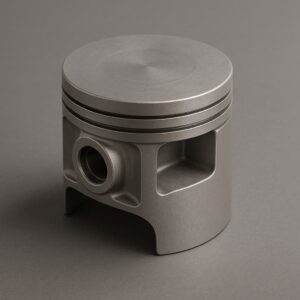
which trims off the excess material for a lighter, more nimble option. You’ll often find these in performance or racing vehicles, where every ounce counts and efficiency is king. Their reduced surface area means less contact with the cylinder walls, diminishing friction and, in turn, enhancing performance.

                Lastly, the variable or asymmetric skirt:
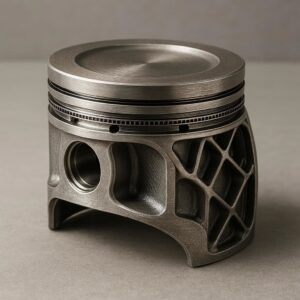
It is a modern twist prioritizing focused support and weight reduction. By varying the thickness and shape of the skirt, these designs target support exactly where it’s needed and nowhere it’s not. This approach is great for balancing stability and lightness in advanced engine builds.

Materials matter too. Aluminum alloys and high-strength steel are typical for the robustness they offer. Each material brings something special to the party: aluminum is about keeping things lightweight, while steel offers a rugged durability perfect for high-stress environments.

Knowing your skirt types, you’re better prepared to make informed decisions about engine upgrades. Whether you’re chasing after speed, searching for durability, or finding the perfect middle ground, the right piston skirt can make a world of difference. Recognize the needs of your specific engine setup and match it with the skirt that suits those needs best.

Delving into Piston Skirt Design: Innovating for Power

Stepping into the exciting world of piston skirt design reveals three major styles that dominate the scene. Each one crafted to tweak and enhance engine performance in unique ways, especially for those who are all about squeezing every drop of power from their engines.

First off, there’s the box-type piston skirt. Think of it as the everyday workhorse with its rectangular section providing ample strength and load distribution. It’s the sturdy friend you’d count on for daily driving or general-purpose engines because it’s all about balancing stability with durability.

Next, the slipper-type skirt design trims down on the bulk for better efficiency. Shaped almost like a slipper, these pistons come with reduced contact at the sides, which means less friction overall. For the high-speed thrill-seekers and the racing crowd, this design offers that sweet spot of speed balanced with just enough stability.

Lastly, the asymmetrical skirt design, often considered the artist of the engineering world, customizes thickness across different parts of the skirt. This technique specifically reinforces high-stress areas while shaving weight where it can. Perfect for modern engines aiming for a perfect blend of power and efficiency in complex setups.

The impact of these designs on fuel economy and power output is quite significant. Performance-focused individuals often drool over slipper skirts for their potential to boost responsiveness and rev speed. Meanwhile, those dreaming about road trips and towing hefty loads might opt for the sturdy box-type.

Navigating these options requires knowing what kind of performance you’re after. Each design serves a particular purpose, blending science with engineering art. And that means understanding your needs and matching them with the right skirt design, ensuring your engine delivers the drive you crave.

Comparative Analysis: Skirted vs. Skirt-less Pistons

Choosing between skirted and skirt-less pistons can feel like picking teams for a game. Each has its fans and distinct advantages, and knowing the right pick for your engine can transform performance dramatically.

Skirted pistons are like the reliable advantage when stability and support are vital. The skirt adds a crucial layer of stability, minimizing unwanted movement and maintaining optimum alignment as the piston hums along in the cylinder. This predictability is a dream for engines that work hard day in, day out, towing, hauling, and the like.

On the flip side, skirtless pistons are a favorite amongst performance enthusiasts. These pistons shed excess weight, leading to quicker revs and an overall snappier engine response. They shine in racing settings, where every split second of acceleration counts. Plus, less metal means reduced friction, enhancing efficiency and possibly squeezing out a little extra horsepower.

But it’s not all roses and checkered flags; each design has its potential drawbacks. Skirted pistons might introduce more friction, slightly reducing an engine’s efficiency for sheer speed. Meanwhile, the sleek skirt-less design can sometimes compromise stability in engines not designed for that lightness, leading to rocking or increased wear over time.

Real-world applications paint a vivid picture of where each piston excels. Heavy-duty engines powering trucks or industrial machines usually prefer the steadfast skirted design. On the track, where the roar and speed is everything, skirtless pistons often lead the charge.

When deciding, it boils down to your engine’s needs and what you want out of it. From the lengthy endurance of skirted options to the zippy excitement of skirt-less styles, understanding these dynamics helps you make that informed choice.

Piston Skirt Function: The Heart of Engine Efficiency

Understanding the function of piston skirts is key to appreciating why they matter so much in engine design. These often-overlooked components play a pivotal role in keeping the engine humming smoothly.

A primary function of piston skirts is to balance and guide the piston within the cylinder, reducing friction that can rob your engine of precious oomph. By ensuring the piston moves steadily and doesn’t knock around the cylinder walls, skirts help maintain the overall health of the engine and minimize wear and tear.

Their impact extends to engine longevity too. Skirts help in dispersing heat and absorb kinetic energy, lightening the wear and tear that happens with every stroke. Especially in high-performance engines, where every drop of performance matters, this heat management is crucial.

Innovations in skirt technology are constantly unfolding, adding more life and efficiency to engines without compromising performance. From coatings that reduce friction to new materials that bounce back better under extreme conditions, the future of piston skirts is as dynamic as the engines they support.

Choosing the right piston type involves matching your engine’s needs with the benefits of specific piston designs. Whether it’s a robust full skirt for heavy-duty applications or a lightweight slipper design for fast rides, understanding how these elements work helps make the best choice.

Ultimately, piston skirts are about ensuring smooth, efficient journeys, whether you’re hitting the highway or racing to the finish line. A good understanding equips you to make decisions that harmonize with your vehicle’s capabilities, keeping you cruising smoothly down whatever path you choose.
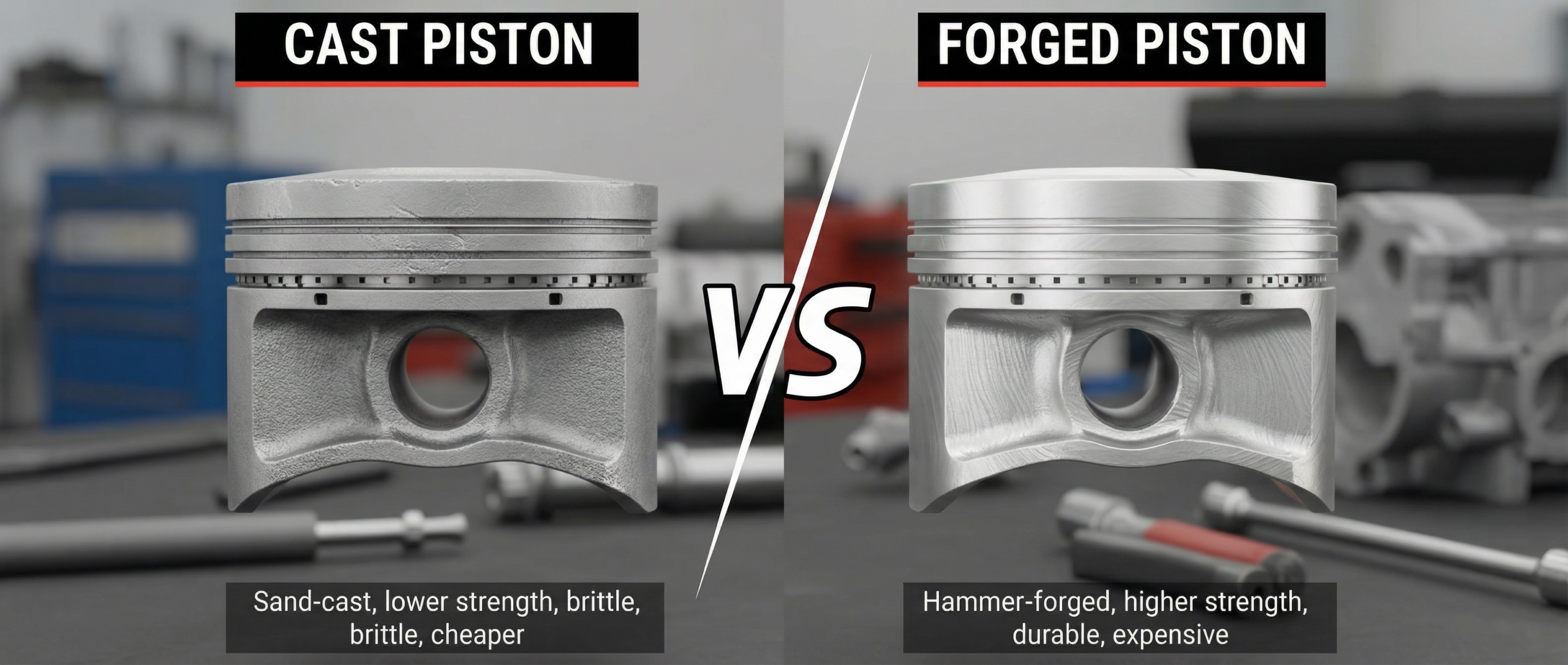
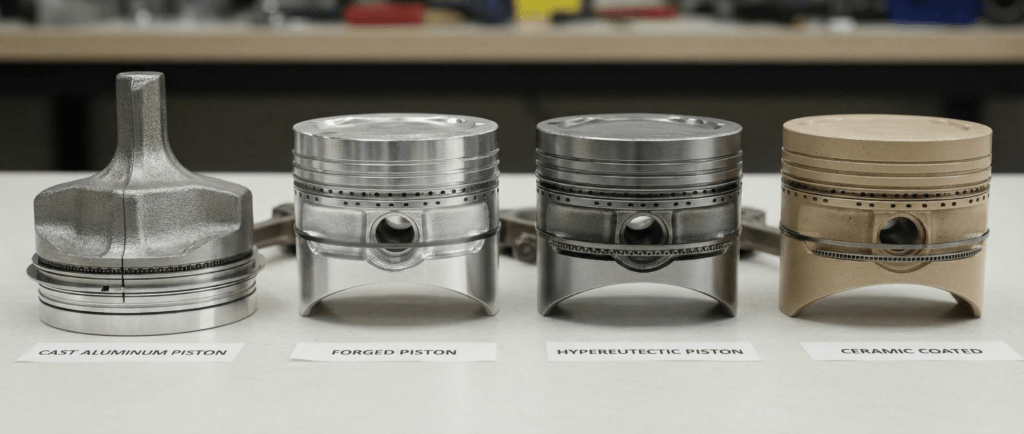
Cast Pistons Vs. Forged Pistons: Which One Suits Your Engine?

Pistons are pretty much the beating heart of any engine. Whether you’re cruising down a highway or gunning it on a racetrack, these guys keep things moving. So, when it comes to pistons, you gotta know what you’re dealing with right from the get-go.

A vs image of a cast piston vs forged piston.

Let’s talk about what ‘cast’ and ‘forged’ mean in the piston world. It’s all about how they’re made. Cast pistons are formed by pouring molten aluminum alloy into molds. They’re like the factory-made, straight-off-the-assembly-line types. On the other hand, forged pistons are made by taking a solid chunk of aluminum alloy and pressing it into shape. Think of them like the handcrafted, personally-chiseled pieces of art in the piston realm.

Now, what’s this aluminum alloy business? Well, both kinds are typically made from aluminum alloys, but the exact mix can bump up their ability to take on heat and pressure. So, the material makes all the difference in how they hold up when your engine’s working its hardest.

When it comes to the fundamentals, here’s the deal. Cast pistons are lighter, which can be an advantage for some engines that don’t need to handle super high stress. They’re also good with heat under regular working conditions. Forged pistons, though, bring extra strength. Weight-wise, they might tip the scale a bit more, but they handle heat and stress like champs, which makes them more suitable for high-performance engines. Understanding these characteristics lets you see what might fit best with your ride’s personality.

Performance and Durability: Comparing Cast Vs. Forged Pistons in Real-world Applications

Pistons play different roles depending on where they’re being used. So the choice between cast and forged pistons often boils down to specific needs and expectations.

Under pressure, cast pistons are like the reliable friend who’s great in everyday scenarios. They handle daily driving stresses pretty well, as they’re designed to be solid for normal wear and tear. But when the pressure’s really on, you know, like in high-RPM or turbocharged engines, they might start showing cracks, literally.

Forged pistons are like the marathon runners of the engine parts world. They thrive when under the load and heat of performance driving. Their structure makes them absorb and handle the thermal and mechanical beatdowns better than cast pistons. This makes them a favorite in scenarios where engines are pushed to their limits, like racing or high-performance mods.

In terms of lifespan, cast pistons can definitely last if they’re in engines that don’t demand too much drama. They’re all about steady, long-term relationships. Forged pistons, however, are built for those intense, fast-paced applications where durability is non-negotiable for performance.

Talking about performance, these pistons dictate the upper limits of what an engine can do. While cast pistons work smoothly in average conditions, forged pistons unlock potential higher RPMs and power outputs, making them ideal for engines that really get put to the test.

The context of use matters a lot here. If we’re talking racing, aggressive driving, or engines that are constantly revved high, forged is the way to go. But for those commuter vehicles, road trips, or engines that enjoy a more low-key lifestyle, cast pistons fit just fine.

Choosing the Right Piston for Your Engine Needs: Things to Consider

Different types of pistons

Deciding between cast and forged pistons isn’t just about what’s better on paper. It really comes down to what you want out of your engine. Figuring out your engine goals is like the starting line in this race. Is it all about squeezing out maximum power, or are you looking for something that’s steady and reliable for everyday driving? Got dreams of hitting the racetrack or just looking to enhance your daily drive? Where you land on this spectrum shapes the type of piston you’ll want.

There’s also the budget angle. Cast pistons are generally cheaper upfront, making them a cost-effective choice for most stock engines. But if performance tops your wish list, the higher initial cost of forged pistons can be worth it, thanks to their ability to handle more stress and offer a potential performance boost. It’s like investing in quality running shoes if you’re into marathon-style engine performance.

Maintenance is another piece of the puzzle. Forged pistons might demand a more watchful eye and regular checks, especially in high-performance settings. They’re sturdy, but like any high-end gear, they need a little TLC{Tender Loving Care} to keep running at their best. Cast pistons, on the other hand, are usually happy with standard maintenance routines as long as the engine isn’t pushed too hard.

So, what do the experts say? If your ride is all about performance, speed, and pushing limits, forged pistons might just be your engine’s best friend. Meanwhile, if your engine enjoys a smoother, less intensive lifestyle, cast pistons could be all that you need, so choose wisely folks.

Worn Out Pistons Signs

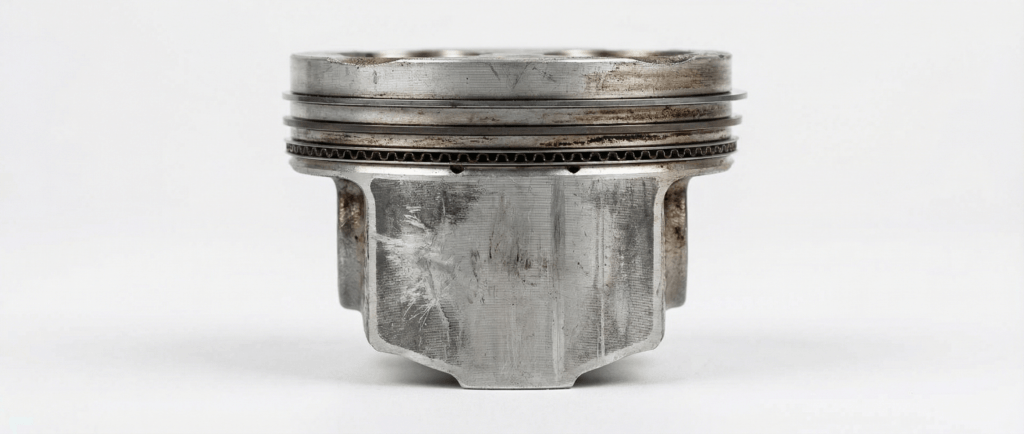
Close-up of a piston with visible wear

Pistons are the powerhouse of your engine, converting the fuel’s energy into the motion that gets you where you need to go. They’re tiny but mighty, hopping up and down inside the engine block thousands of times a minute. Imagine them as the hardworking middlemen, taking the explosive energy from the combustion process and driving it through the engine to power the wheels. It’s no small job!

Understanding the importance of pistons can really change the way you perceive your vehicle’s health. They play a huge role in keeping your engine running smoothly. When working optimally, pistons help ensure that your car has the right amount of power and efficiency, which in turn affects everything from speed to fuel economy. This means keeping them in good shape is crucial for the overall performance of your vehicle.

From small sedans to massive trucks, pistons are essential in all types of engine designs. Even though they might vary in size or the number of cylinders involved, their job stays the same. They’re there, diligently pushing and rotating, making sure your vehicle performs well every single day.

Your driving experience, including how smooth or powerful your ride feels, can often be traced back to the condition of your pistons. A well-maintained piston setup not only ensures that you’re getting the most out of every gallon of fuel but also extends the life of your vehicle. So next time you’re driving, give a nod of respect to those hardworking pistons keeping you on the move.

Recognizing the Early Signs of Worn Out Pistons

Spotting the signs of worn-out pistons early can save you a bundle on repairs and keep your ride smooth and efficient. One of the telltale signs is unusual noises coming from your engine. If you hear knocking or a sort of clanking sound, it might signal that the pistons aren’t moving as they should be.

Another clue could be a noticeable drop in engine power. You might feel like your car’s acceleration isn’t as peppy as it used to be or that it’s struggling on hills. This can be a direct result of compromised pistons not converting energy effectively.

Watch out for excessive smoke coming from the exhaust. While some smoke is normal, if you notice it has changed color or becomes more frequent, it could mean the pistons aren’t sealing properly and oil or fuel is burning off into the exhaust.

Keep an eye on your engine pressure too. If it’s lower than usual, it’s often due to gas escaping due to piston or cylinder wear. This can sometimes be checked with a compression test, which gives you a clearer picture of what’s happening inside the engine.

Temperature plays a big role in piston wear. Extreme fluctuations or overheating can accelerate wear and tear. Make sure your vehicle’s cooling system is working properly to protect the pistons.

Real-life examples of piston issues often include these signs, sometimes triggered by skipping routine maintenance or using poor-quality fuel. Listening to these early warning signs can lead to quick fixes rather than costly overhauls. Keep your senses sharp on the road and under the hood [Bonnet] to maintain your engine’s health!

Preventative Measures: Extending the Lifespan of Your Pistons

To keep your pistons in tip-top shape, routine maintenance is where it’s at. Regular oil changes are your first line of defense. With the right oil, your pistons glide easily and avoid unnecessary friction that can lead to wear.

Using high-quality lubricants and fuel additives can make a big difference. These products help keep the engine clean and reduce deposits that could interfere with piston movement. It’s like giving your engine a spa day now and then.

Regular check-ups are essential. Having your engine inspected by a pro can help spot early signs of trouble. They can do compression tests or examine your oil for any metal particles, both of which can indicate piston wear.

Driving habits also play a big part in piston longevity. Baby your engine by avoiding harsh acceleration or riding the brakes. That kind of behavior can cause overheating and undue stress.

By investing a little time into these preventative strategies, you’ll help your pistons and the rest of your engine go the distance, keeping that trusty ride of yours as reliable as ever.

What to Do When Wear Becomes Severe: Repair and Replacement Options

When pistons are past the point of simple fixes, deciding between repair or replacement becomes crucial. Repairing pistons might be an option if the damage is limited. For instance, resurfacing or cleaning can often resolve minor scuffs and scratches.

In cases where the wear is too extensive, replacing the pistons becomes necessary. New pistons can restore engine performance to its previous glory. It’s a more involved process, usually requiring a bit more from your wallet, but deals with deeper issues effectively.

Considering your budget is important. Repairs might seem more wallet-friendly at first glance, but repeated problems can add up over time. On the other hand, a complete replacement is a larger expense upfront but provides a long-term solution, often increasing the engine’s health significantly.

Whether you take the DIY route or choose professional help, what matters is ensuring it’s done right. While tackling a piston project yourself can be rewarding, it usually requires a fair amount of technical know-how and the right tools.

Exploring aftermarket piston options can also lead to performance benefits. These newer models can offer improved durability and efficiency, giving you some added power and endurance. It’s a great alternative if you’re already considering replacement, potentially giving your engine a boost.

Recognizing when it’s time to take these steps ensures you’re not left with more costly repairs down the road. Taking action sooner rather than later can keep your engine humming along smoothly.

Understanding How Pistons Work In Internal Combustion Engines

Hey, ever wondered how your car gets rolling from just a tank full of gas? Yep, it’s all thanks to the pistons in the engine, making everything tick just right. These nifty components are like the heart of the engine, pumping away to bring those wheels to life.

Pistons are pretty different from other parts you might find under the hood or bonnet as we call it from from my part of the world. Sure, there are spark plugs, valves, and a whole load of nuts and bolts in there, but it’s the pistons that play a crucial role in the power game. They’re responsible for converting that fuel you pump into kinetic energy that helps your car zip down the highway.

Now, brace yourself for a little history lesson. Internal combustion engines aren’t exactly a new kid on the block. They’ve evolved quite a bit over the years, transforming from basic concepts in the 1800s to the high-tech powerhouses we have today. Pistons have been at the core of this progress, enabling engines to become more efficient and powerful.

Today’s engine technology heavily relies on these small but mighty players. Without pistons, you wouldn’t have the power you expect from your vehicle. The evolution of engines, powered largely by advancements in piston design and materials, means we enjoy higher performance and fuel efficiency today.

Mechanics of Piston Operation: A Step-by-Step Guide

Alright, let’s break it down and see what’s really happening during a piston’s exciting journey inside your engine. It’s all about the cycle, and it’s precisely this cycle that produces the power your car needs.

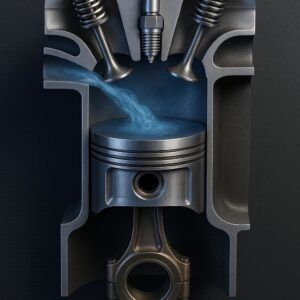
First, the adventure kicks off with the suction or intake stroke:

During this phase, the piston moves down, creating a vacuum that sucks air and fuel into the cylinder. It’s like preparing all the ingredients in a pot before cooking.

Next up is the compression stroke:

Here, the piston climbs back up, squishing the fuel-air mixture into a tight space. This compression is crucial because it’s what makes the upcoming explosion so powerful. Squeeze it extra tight, and you get a more intense bang!

Then comes the real action, the power stroke:

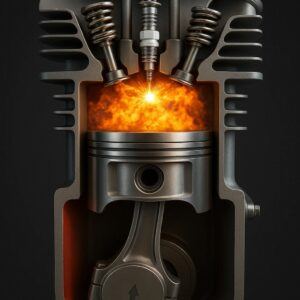
This is when the magic happens. Spark plugs ignite the compressed mixture, causing a mini-explosion that sends the piston racing down. This explosion is what actually powers the engine.

Finally, we have the exhaust stroke:

The piston rises again to push out the burned gases, like exhaling after a deep breath. This cleans out the cylinder, getting it ready for the next cycle.

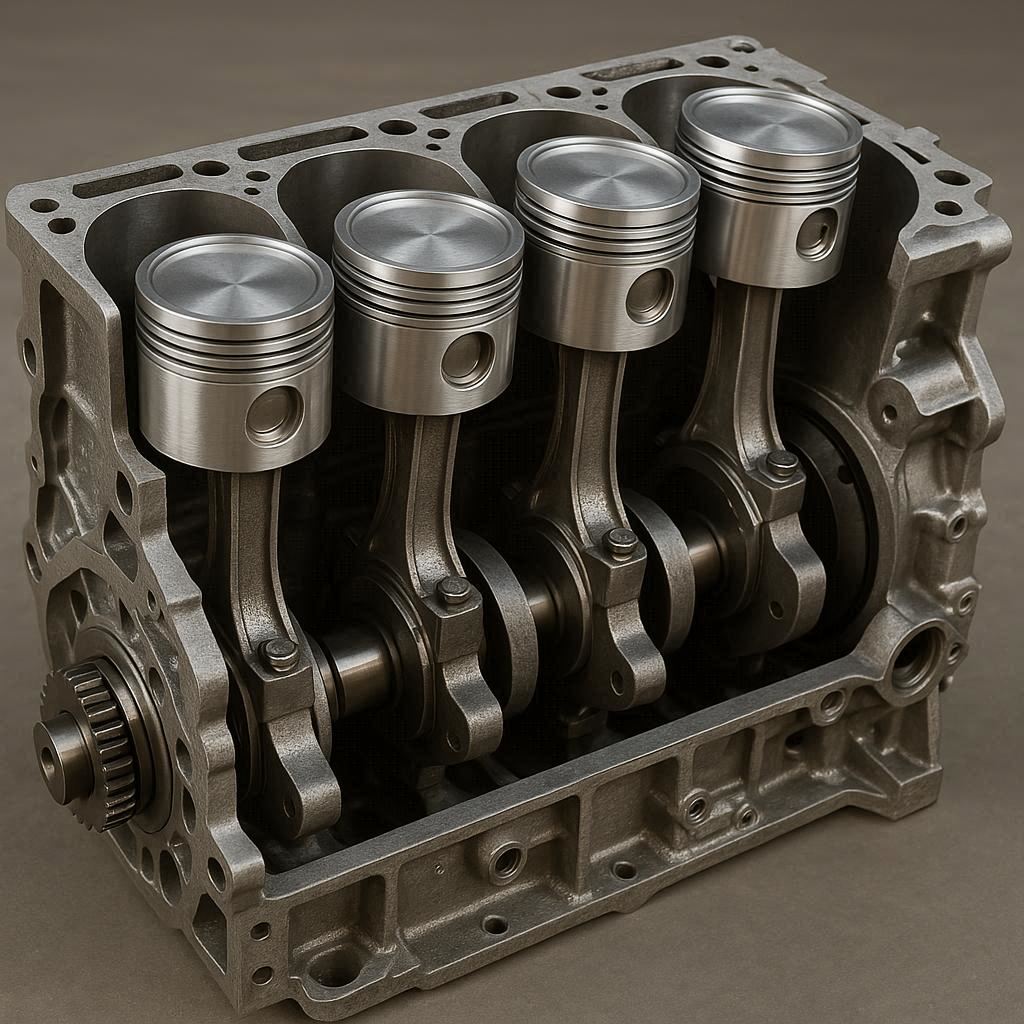
Connecting rods and the crankshaft are the ultimate piston partners. The rods connect pistons to the crankshaft, turning their up and down motion into a lovely rotary force. This rotary motion is what ultimately moves the car!

Each stroke is essential, working in sequence to keep the machine rolling smoothly. As the cycles repeat rapidly, they give your engine the continuous power output needed for steady driving. Understanding these mechanics gives you insight into how your dear ride travels with such finesse.

Functionality and Moving Dynamics

At the core of every engine, pistons do the heavy lifting—literally. Their main gig is converting energy from fuel into mechanical movement, enough to zip you around town.

Gas pressure is the real MVP here, nudging those pistons to move. When the fuel-air mix ignites, the ensuing explosion creates pressure that pushes the piston downwards. This is where pistons shine, turning this pressure into a motion that your engine can work with. Without it, your ride’s just sitting stationary.

Ever wonder what actually drags the piston back up after it’s pushed down? Well, it’s a combination of mechanics that involves the crankshaft’s rotation and the momentum from other pistons. As one piston gets to the end of its power stroke, others in sequence keep the engine turning over. This seamless play of forces creates the signature up-and-down dance inside the engine, known as the piston cycle.

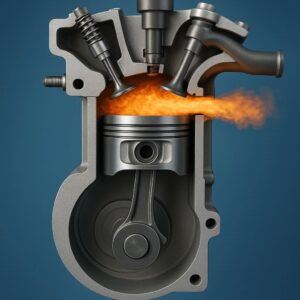
If you’re imagining this happening a bit differently in various engines, you’re spot on. For four-stroke engines, this dynamic happens in the sequence we laid out before. Two-stroke engines, though, have only two movements per cycle, getting everything done a bit quicker. This makes them more compact and often used where speed is crucial but efficiency isn’t as prioritized.

So, next time you’re behind the wheel, spare a thought for those pistons working hard under the hood. They’re doing their best to ensure each trip, whether it’s to the store or across the country, is powered efficiently and smoothly.

The Working Principle of Piston Engines: From Theory to Practice

Piston engines follow a pretty straightforward principle: converting chemical energy into mechanical motion. When you fire up the engine and hit the gas, you’re igniting this whole process, transforming fuel into the mechanical power that gets you moving effortlessly.

This principle relies heavily on the design and performance of the piston. Materials matter—a lot. Pistons have evolved from simple casts to high-performance alloys designed to withstand the heat and pressure of modern engines. A well-designed piston can make all the difference, turning your engine into a smooth operator with fewer hiccups.

The efficiency of this energy transformation drives the overall effectiveness of the engine. If your pistons can handle more power without breaking a sweat, you’ve got a ride that’s both powerful and fuel-efficient. That’s why innovations in piston tech are so crucial.

But piston engines aren’t without challenges. Friction, wear, and heat are constant battles. Engineers brainstorm ways to beat these foes to enhance durability and performance. Innovations like coated materials and efficient lubrication systems are just a few tricks up their sleeves to outsmart these issues.

With all this tech whirling around, it’s clear why piston engines remain popular despite the rise of electrics. For drivers who love the rumble and roar of a powerful engine, the charm of piston-driven power is hard to beat. It blends mechanical art with everyday practicality, ensuring you get from point A to B with a healthy dose of engine chatter.