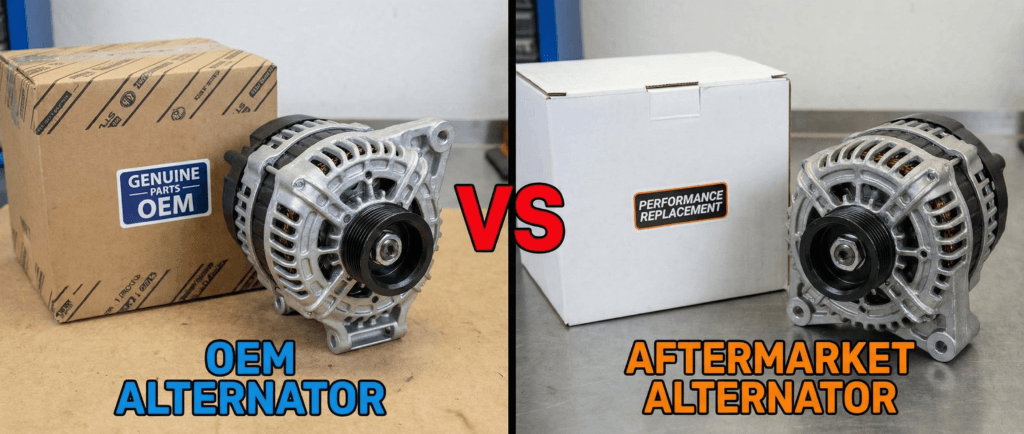
Alternators? Yeah, they’re kind of a big deal in your car. If you pop the bonnet, you’ll find this powerhouse that keeps your vehicle’s battery charged and the electrical systems humming. Essentially, it turns mechanical energy into electrical energy. That’s its superpower.
Inside an alternator, you’ll find a bunch of cool components like the rotor, stator, diode, and regulator. These parts work together like a band playing a rock concert—each playing its part to keep everything electric flowing smoothly. The rotor spins, creating a magnetic field that gets electricity moving in the stator wire coils. Then, the diode does its magic by converting this juice from AC to DC—yep, we’re talking those types of currents! The regulator? It’s the manager, keeping the voltage right where it should be.
Why are alternators such a big deal? Well, when they’re not pulling their weight, you might notice a dimming dashboard or headlights, or worse, you’re not going anywhere because your car won’t start. Alternators impact almost everything electric in a car, from the music you blast to the power windows you roll up and down.
For your car to purr like a kitten and roar when you hit the gas, that alternator has got to be on point. Understanding its nuts and bolts means keeping your car’s heart beating strong—and gives you a head start when life throws you car trouble.
Original Equipment Manufacturer (OEM) Alternators Explained
OEM alternators—those are the ones made by the folks who probably assembled your car in the first place. Going with an OEM part? You’re basically sticking with what was in there when your car rolled off the assembly line.
- Perfect fit: OEM alternators are engineered for your specific make and model, so they fit exactly as intended—no guessing, no compromises.
- Peace of mind: You’re not gambling on compatibility or performance. You know it’ll work as expected.
- Higher reliability: Built to manufacturer standards, OEM alternators tend to last longer and perform more consistently.
- Quality assurance: Strict testing and quality controls mean fewer surprises and better long-term performance.
- Better long-term value: While the upfront cost may be higher, fewer failures and a longer lifespan can save money and frustration over time.
- Built for extremes: OEM alternators are tested to withstand harsh conditions like extreme heat or cold, keeping your vehicle dependable in any weather.
Navigating the World of Aftermarket Alternators
So what makes them tick?
- Manufactured by third-party companies, not the original vehicle manufacturer
- Offer a wide variety of options at different price points
Affordability
- Generally more budget-friendly than OEM alternators
- Lower cost doesn’t automatically mean lower quality
Quality variations
- Quality can range from OEM-equivalent (or better) to below standard
- Not all aftermarket brands deliver the same reliability
Importance of research
- Check online reviews and ratings
- Seek expert opinions and ask for recommendations
Best use cases
- Ideal for older vehicles where OEM parts may not be cost-effective
- Can extend the life of cars that are still running well
Key factors to consider
- Price vs. quality balance
- Your vehicle’s specific needs
- Choosing reputable aftermarket brands
Key takeaway: It’s wise to remember various factors at play here—price, quality, and the specific needs of your car can all influence whether aftermarket is the way to go. Not all aftermarket players are created equal. Choose wisely!
Comparing Price, Quality, and Convenience: OEM vs. Aftermarket
| Factor | OEM (Original Equipment Manufacturer) | Aftermarket |
| Price | Higher cost due to brand and factory standards | Lower to moderate cost |
| Quality | Consistent, factory-approved quality | Varies by brand; can match or exceed OE |
| Fit & Compatibility | Guaranteed perfect fit | Usually good, but may require verification |
| Availability | Limited to dealers or authorized sellers | Widely available online and in stores |
| Warranty | Manufacturer-backed warranty | Depends on brand; some offer strong warranties |
| Convenience | Less convenient due to limited sellers | More convenient with many buying options |
| Performance options | Designed for stock performance | Performance upgrades available |
| Best for | Drivers wanting exact factory specs | Budget-conscious or performance-focused buyers |
Both options have their pros and cons, and choosing between them isn’t cut-and-dry. Weighing your priorities—whether it’s the upfront cost, long-term reliability, or immediate availability—helps you make the call more easily.
Making an Informed Decision: Which is Right for You?
Picking between OEM and aftermarket alternators isn’t just about flipping a coin. It’s a bit of a balancing act weighing your needs, budget, and future car plans.
Consider your car’s specific needs
- Newer models or cars under warranty often suit OEM parts
- OEM aligns with original components and may help maintain resale value
Think about the car’s age and value
- Older cars may benefit from aftermarket alternators
- A cost-effective option if the car isn’t a long-term or collector vehicle
Ask the right questions
- How long do you plan to keep the car?
- What’s your budget?
- Do you prioritize convenience or reliability?
Compare warranties
- OEM alternators usually offer strong, consistent warranties
- Some aftermarket brands provide solid warranties, but quality varies
Consult a professional
- A trusted mechanic or automotive expert can offer practical, experience-based advice
Match the choice to your situation
- Every car and owner is different
- Focus on what matters most to you to make a smart, informed decision
Whether you choose the tailored fit of OEM or the flexible option of aftermarket, getting the right alternator keeps your car cruising smoothly. Take a turn in the direction that aligns with your needs and keeps that engine purring—so you can keep rolling down the road without looking back!