Diesel engine pistons come in several different designs, each engineered to handle specific challenges and optimize performance in different ways. The shape of the piston crown, the number of rings, how it’s cooled—all of these factors play a huge role in how efficiently your engine runs and how long it lasts.
In this post, we’re breaking down the most common piston designs you’ll find in diesel engines, explaining what makes each one unique, and helping you understand why engineers choose one design over another. Whether you’re a diesel enthusiast, a mechanic, or just curious about what’s going on under the bonnet, you’ll walk away with a solid grasp of these essential engine components.
Pistons have been through quite a journey since the early days of engineering. From their clunky beginnings to modern-day sleek designs, they’ve evolved a lot. This evolution means better efficiency and power for engines, pushing performance to new heights. It’s interesting to see how understanding engine demands over time has shaped these little powerhouses.
Material choice plays a huge role in how well a piston does its job. Most of the time, you’ll find pistons made of tough metals like aluminum or steel. These metals handle the high heat and pressure of a diesel engine like a champ. They’ve got to be super resilient, kind of like the backbone of the engine.
The role of the piston is pivotal when it comes to how efficiently an engine runs. Yep, efficient pistons mean less wasted energy, which not only ramps up vehicle performance but also helps in reducing emissions. This is crucial for an eco-friendly approach in today’s world where everything’s about going green!
So, whenever you’re thinking about diesel engines, take a moment for the humble piston. It’s not just a component; it’s the vital part that keeps everything running smoothly. Next time you hear a diesel engine’s thrum, you’ll know there’s some piston magic happening inside!
Key Piston Designs and Their Purposes
Pistons come in a variety of designs, each tailored for specific purposes and engine types.
Trunk piston
- A classic piston design commonly found in traditional diesel engines
- Robust and straightforward in construction
- Ideal for everyday applications such as vehicle engines and industrial machinery
Crosshead piston
- Designed specifically for heavy-duty applications
- Commonly used in freight trucks and large marine engines
- Built to withstand extreme pressures and high temperatures
- Offers exceptional longevity and reliability in demanding environments
Innovation in piston design doesn’t stop there. Variable compression pistons add an element of adaptability, allowing engines to adjust compression ratios. This change can lead to fuel savings and enhanced performance across different driving conditions. The level of customization and optimization they provide can be a game changer for both performance enthusiasts and eco-conscious drivers alike.
Modern pistons are getting a makeover with advanced composite materials. Imagine pistons made from ceramics or special alloys that resist wear and tear better than traditional materials. These high-tech pistons can help engines run smoother and longer, meaning fewer repairs and better overall performance.
Choosing the right design often depends on what you need your diesel engine to do. Different designs mean varying advantages in power, efficiency, and durability. So, it’s all about matching your engine’s needs with the right piston to get the most out of your investment.
How Piston Design Influences Diesel Engine Performance
The design of a piston really plays a big role in how a diesel engine performs. It’s all about the little details that can have a huge impact on everything from power output to fuel efficiency. Let’s break down what makes a great piston design.
- Heat dissipation: Diesel engines generate a lot of heat. If it’s not managed properly, performance and engine life suffer. Well-designed pistons made from heat-efficient materials help the engine run cooler and stay in top condition.
- Compression rate: Piston design directly affects how much the air–fuel mixture is compressed inside the cylinder. Higher compression delivers more power but demands stronger piston engineering to withstand increased pressure.
- Friction reduction: How smoothly a piston moves within the cylinder determines wear and efficiency. Advanced piston engineering reduces friction, resulting in smoother operation and a longer lifespan for engine components.
- Fuel efficiency: Modern piston designs often feature customized piston tops that improve combustion. This leads to better fuel economy and lower emissions, combining performance with eco-friendly engineering.
So, when you’re thinking about engine performance, remember the pivotal role pistons play. Better design means impressive gains in power, efficiency, and durability, which is exactly what every diesel engine owner looks for. Keep an eye out for innovations that capitalize on these advancements, as they often bring noticeable benefits.
Comparing Traditional vs. Modern Piston Designs
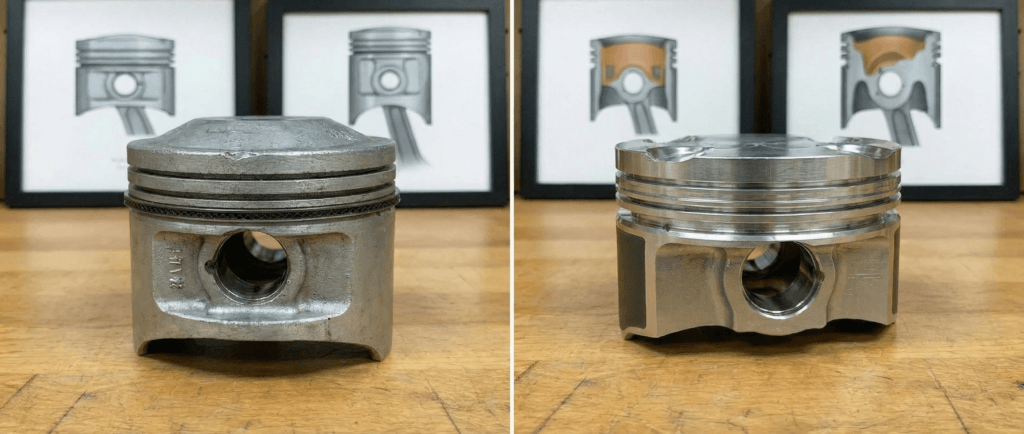
The world of piston designs is quite a split between traditional and modern approaches. Traditional pistons were mostly cast iron or steel, known for their toughness and ability to withstand harsh conditions. They’re like the old-school rockstars; not fancy, but they get the job done consistently.
Enter modern piston designs, and you’re looking at materials like aluminum alloys that bring lightweight benefits without skimping on strength. These materials help in boosting engine performance by reducing the overall weight, which translates to better fuel efficiency and higher speed capabilities.
One standout advancement in piston design is the advent of hybrid and composite materials. These aren’t just about durability. They’re designed for optimal heat management and reduced friction. Think of them as high-tech upgrades that not only enhance engine performance but also contribute to longer engine life.
Tech innovations have opened the door to piston designs that would have seemed futuristic a few decades ago. Modern CNC machining and 3D printing technologies allow for precision and customization that help maximize the potential of every engine. These efforts mean you can get pistons tailored down to the tiniest detail for specific performance enhancements.
Consider real-world examples where traditional pistons have been swapped out for these modern marvels. The changes often lead to significant improvements in power output, smoother operation, and even lower emissions. Keeping up with these advancements ensures your engine isn’t just running; it’s thriving.
Choosing the Right Piston Design for Your Diesel Engine
Picking the right piston for your diesel engine can feel like navigating a maze with so many choices.
- Operating environment: Consider where your engine runs. Extreme heat or icy conditions influence which piston materials and designs will perform best under those conditions.
- Workload demands: Think about how hard the engine works. Heavy-duty engines, like those in freight trucks, need pistons that can handle constant high pressure, while smaller engines may focus more on fuel efficiency than raw power.
- Compatibility: Choosing the right piston is like finding the correct shoe size. It must match the engine’s specifications precisely to prevent performance issues, unexpected repairs, or early replacements.
- Maintenance and durability: Select pistons that are both durable and easy to replace. Regular maintenance and following manufacturer guidelines help reduce long-term issues and costs.
- Expert guidance: When in doubt, consult industry professionals. Their up-to-date knowledge and experience can help you choose pistons that enhance performance and efficiency, making your investment worthwhile.