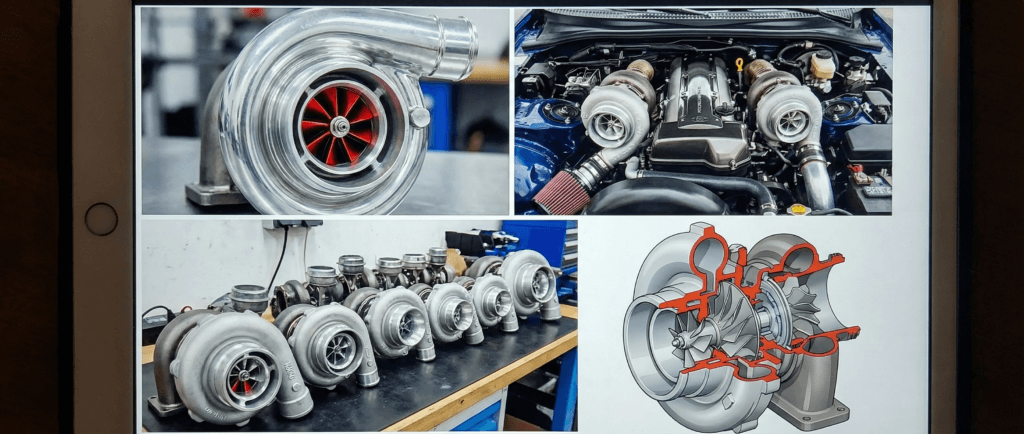
Turbochargers are like the secret sauce for engines, taking the exhaust gases and spinning them into a whirlwind of power. By increasing the amount of air that enters the engine’s combustion chamber, turbochargers play a huge role in boosting engine performance. But why stick to the factory settings when you can tweak the settings to suit your style? That’s where aftermarket turbochargers come into play.
There’s a noticeable difference between Original Equipment Manufacturer (OEM) turbochargers and their aftermarket cousins. While OEM ones are designed to fit the general needs of the average driver, aftermarket options are the go-to for those who crave more oomph. By opting for an aftermarket turbo, you’re not just changing a part; you’re redefining what your vehicle can do.
Many performance enthusiasts lean towards aftermarket turbochargers for one simple reason: the thrill of customization. It’s all about enhancing performance, and aftermarket options offer more customizable power and aggressive builds that the stock ones just can’t match. Whether you’re looking for efficiency, more horsepower, or even just a cooler engine sound—aftermarket turbos can give your ride a whole new personality.
Performance upgrades don’t just offer a speed boost; they transform the entire driving experience. Feel the power smoother, get that quicker throttle response, and experience the kind of acceleration that makes the heart race. It’s this kind of experience that has droves of car lovers trading in their OEM turbos for the kind of power only an expertly tuned aftermarket one can provide.
Leading Aftermarket Turbocharger Brands: The Top Performers in the Market
When you’re on the hunt for next-level performance, picking the right turbo brand matters
- Garrett
- Among the creme de la creme, Garrett stands out for its strong innovation game. They set trends with turbochargers that bring incredible life to any engine. Whether it’s a sports car or a daily commuter, their focus on quality and performance is hard to beat.
- BorgWarner
- BorgWarner doesn’t just keep up with competitors—they often set the benchmark. By blending advanced technology with solid engineering, their turbos enhance engine efficiency while keeping emissions low. Ideal for drivers who want power without compromising environmental impact.
- Precision Turbo & Engine
- Precision Turbo & Engine has carved out a niche in the racing world. Built for record-breaking performance, their turbochargers are finely tuned instruments designed for serious performance enthusiasts.
- Holset
- Synonymous with versatility and robustness, Holset is a favorite among truckers and heavy-duty vehicle owners. Their turbochargers deliver reliable performance under the toughest conditions, making them a go-to choice for durability without sacrificing power.
- Kinugawa Turbo
- More budget-friendly without skimping on quality, Kinugawa Turbo is known for making high-performance upgrades accessible. A great option for boosting performance without breaking the bank.
The Mechanics of a Great Turbo: Key Features and Innovations
A top-notch turbocharger is all about balance, precision, and efficiency. Knowing what makes a turbo tick is crucial when you’re shopping around. Compressor and turbine efficiency determine how well a turbo can enhance engine power. It’s not just about cramming more air into the engine; it’s about doing it smartly so you maximize gain and minimize lag.
Variable geometry turbochargers (VGT) are one of the standout innovations in turbo technology. These turbos adjust the flow of exhaust gases to the turbine wheels, allowing the turbo to operate effectively at a wider range of engine speeds. What this means for you? Better low-end torque and smoother power curves.
Precision engineering isn’t just a buzzword—it’s the foundation of a reliable turbo. The materials used, be it high-grade alloys or composite ceramics, affect the durability and performance, so quality craftsmanship is key. Top brands don’t skimp, using robust and heat-resistant materials to guarantee long-lasting performance.
Compatibility is just as important as the turbo itself. Aftermarket turbos come in all shapes and sizes, and choosing one that matches your ride’s setup is critical. The easier it is to install without major modifications, the better. Not everyone wants to spend extra time rerouting pipes or altering their engine bay.
And don’t forget the user experience. Customer reviews and testimonials can offer firsthand insights on performance, reliability, and overall satisfaction. Whether it’s a weekend racer or a daily driver, checking how others have fared with specific models can guide your own decision-making. Buying a turbo is an investment—not just in money, but in driving enjoyment too.
Are Aftermarket Turbos Better? Weighing the Pros and Cons
The debate over whether aftermarket turbos are better boils down to what you want out of your ride. Aftermarket turbos can deliver a noticeable bump in performance when done right—resulting in faster acceleration and higher top speeds. This doesn’t mean they’re automatically better; it means they’re potentially more aligned with the desires of someone seeking an enhanced driving experience.
Performance enthusiasts frequently cite improved benchmarks when comparing aftermarket solutions to their OEM counterparts. With the right setup, these turbos can push the boundaries far beyond factory limits, offering an adrenaline-pumping ride that’s hard to top. But with great power often comes great responsibility—especially when dealing with durability.
Aftermarket turbos, while powerful, might wear differently under stress compared to OEM versions. The materials, how they handle heat, and their overall life span can vary significantly. Proper maintenance and timely checks can mitigate those risks, but it’s something a proud turbo owner should definitely keep in mind.
Cost is another factor—upgrading means forking out cash not just for the turbo but possibly for other necessary tweaks in your setup. Consider the balance between what you’re willing to invest and the kind of performance gains you’re expecting. Is the extra zip worth the price tag? That’s a decision only you can make after weighing the options.
Real-world testimonials shed light on the performance love story between drivers and their upgraded turbos. Many highlight the thrill of engaging an aftermarket turbo, marveling at the improved response and driving dynamics. However, it’s equally important to acknowledge potential drawbacks; improper installations can lead to lag or engine strain, underlining the importance of expert fitting.
Risks are inherent in any upgrade. Improper installation can lead to engine damage or other mechanical failures. It’s why many recommend getting your turbo installed by a professional who knows their way around the pitfalls and can maximize the benefits. Better performance should come with peace of mind, after all.
Choosing the Right Turbocharger: A Buyer’s Guide for Enthusiasts
Finding the perfect turbocharger can feel like a maze with limitless paths, but it gets a lot easier once you start by zeroing in on your vehicle’s specific needs. Every engine has a sweet spot—a perfect match where power, torque, and efficiency come together beautifully.
Define Your Power Goals
Understanding what you want in terms of power is step one. Are you building a street racer, or do you need a boost for practical needs like towing and hauling? Different goals require different turbos, so clarity helps narrow your options fast.
Professional Installation & Tuning
Don’t underestimate the value of professional installation and tuning. While DIY is admirable, expert setup ensures your turbo performs optimally without risking engine damage. A well-installed turbo equals a happy engine.
Maintenance & Warranty
Maintenance and warranty go hand in hand. When choosing a turbo, look for strong warranty coverage for peace of mind. Regular maintenance checks are essential to keep both your turbo and engine running at their best.
Future-Proofing with Technology
Turbocharger technology is evolving rapidly. Staying informed about advancements—like electric turbochargers—helps you make smarter choices now and prepares you for future performance upgrades with reduced lag and improved efficiency.