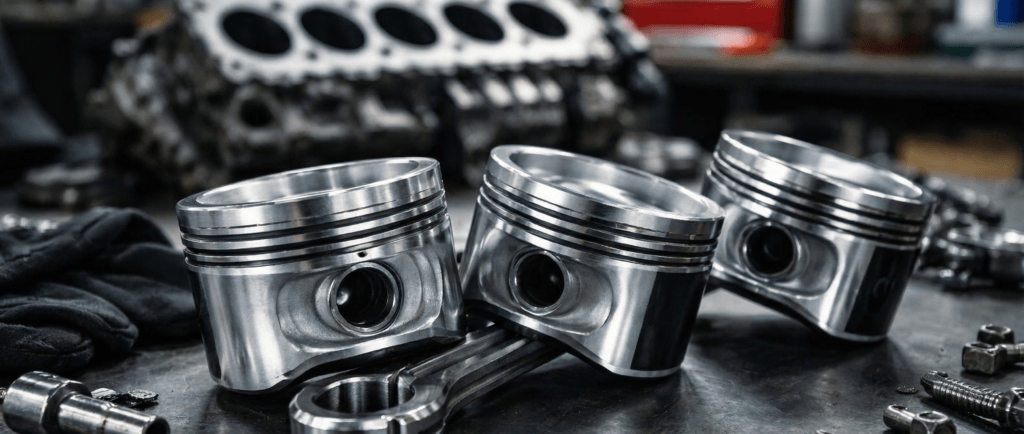
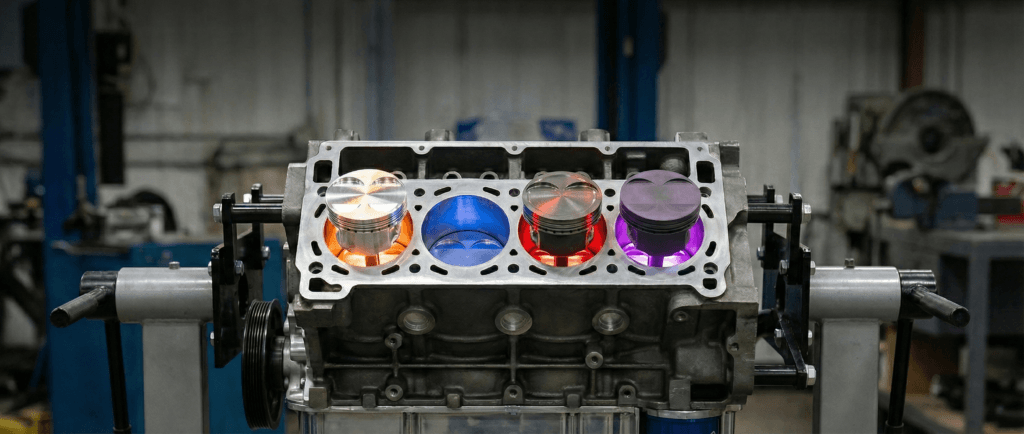
When you’re building or rebuilding an engine, the pistons might not be the flashiest part of the project, but they’re definitely one of the most important. These little powerhouses take a serious beating-constantly expanding and contracting under intense heat while slamming up and down thousands of times per minute. So it makes sense that what they’re made of matters. A lot.
Think of pistons as the heartbeat of your engine. If they’re not in tip-top shape, neither is your vehicle. Good pistons mean better power delivery, smoother rides, and even improved fuel efficiency. It’s pretty wild how something that’s hidden away in your engine can make such a noticeable difference in how your car performs.
There are a bunch of materials that manufacturers love to use for pistons, like various types of aluminum. Each brings something different to the table in terms of performance and longevity. Choosing the right material isn’t just about picking the latest or the greatest; it’s about finding what works best for your specific ride and driving needs.
Spotting piston problems early means you can avoid larger issues down the road. Signs like excess smoke, strange noises, or even decreased performance might point to piston troubles. Paying attention to these signs can save you time, money, and a whole lot of hassle down the line. So keep an ear out for those engine grumbles and eyes on the exhaust smoke.
Exploring the Types of Piston Materials
Piston materials are like the secret sauce in the performance recipe of your car’s engine. Knowing what’s in your pistons involves understanding the workhorses of the piston world: cast aluminum, forged aluminum, and hypereutectic aluminum.
Cast aluminum pistons
- Tried-and-true and widely used
- Affordable and reliable under normal pressure
- Not ideal for high-performance engines that face constant heavy stress
Forged aluminum pistons
- Built for high stress and extreme temperatures
- Ideal for racing and performance-oriented engines
- More expensive than cast aluminum options
Hypereutectic aluminum pistons
- High silicon content improves wear resistance
- Expands less under heat, helping maintain tight engine clearances
- A solid balance between durability and everyday performance
Innovation is no stranger to piston production. Manufacturers are constantly pushing boundaries, reinventing old designs with new material technologies to improve efficiency and environmental sustainability.
The history of piston materials shows a steady evolution, aimed at maximizing engine output while minimizing weight and wear. Having insight into this evolution helps you understand why certain materials are better suited for particular driving styles or vehicle types.
Critical Factors to Consider When Choosing Piston Material
Picking the right piston material isn’t as simple as grabbing a random part off the shelf. It’s all about matching the specifics of your engine and driving needs with the right material performance. Knowing what your engine requires is the first step, and that means understanding its design, capacity, and how you use your ride.
1.Thermal conductivity & expansion
- Engines run hot, and piston materials respond differently to heat
- Proper heat management affects both performance and longevity
- Choose a material suited to your engine’s typical operating temperatures
2.Durability & weight
- Long-lasting pistons are crucial for high-mileage or hard-driven vehicles
- Lighter pistons can improve efficiency and engine response
- There’s often a trade-off between strength and weight
3.Cost considerations
- Higher performance usually comes with a higher price tag
- Extra cost can be worth it for improved durability and efficiency
- Finding the right balance between budget and performance is key
4.Driving conditions & personal style
- Long drives or aggressive driving demand more robust materials
- Daily commuting vs. track use changes what “best” really means
- Piston choice should reflect how you actually use your vehicle
Pros and Cons of Popular Piston Materials in Modern Cars
| Piston Material | Pros | Cons |
|---|---|---|
| Cast Aluminum | Affordable and widely available Good durability for daily driving Handles normal engine stress well | Not ideal for high-performance or racing Less resistant to extreme heat and stress |
| Forged Aluminum | Extremely strong and durable Handles high stress and temperatures Perfect for performance and racing engines | More expensive Can be noisier due to greater thermal expansion |
| Hypereutectic Aluminum | High silicon content improves wear resistance Less thermal expansion for tighter clearances Good balance of performance and longevity | Not as strong as forged pistons under extreme loads Can crack if pushed beyond design limits |
Choosing a piston material depends heavily on how you drive and what you expect from your car. Each material has its own unique strengths suited to different needs, from daily commuting to setting track records. The key is finding what aligns with your driving aspirations and budget constraints.
Practical Advice for Car Enthusiasts and DIY Mechanics
When it comes to selecting piston materials, a little homework goes a long way. Start by assessing your vehicle’s needs. If you’re driving a sedan mainly for commuting, your requirements are quite different from someone tuning up a sports car.
Chatting with professionals, whether mechanics or suppliers, can be super helpful. They’ve been around the block and know their stuff. They’ll have insights about compatibility issues or performance tips specific to your car model.
If you’re a DIY enthusiast, replacing pistons might sound daunting, but it’s doable with the right tools and guidance. Just make sure you’re prepared to handle the intricacies that come with engine work. Understanding the installation process and any potential pitfalls beforehand can save you tons of time and trouble later.
Also, think about sustainability when choosing materials. Some manufacturers focus on more eco-friendly production processes without compromising performance. It’s a win-win if you can get good performance and do your bit for the planet.
Choosing piston materials is deeply personal and varies based on individual needs. By considering your driving habits, consulting experts, and being open to newer, innovative options, you’re setting yourself up for a smooth and informed choice.