What Makes Performance Pistons Stand Out

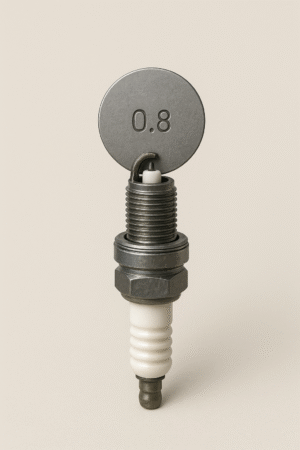
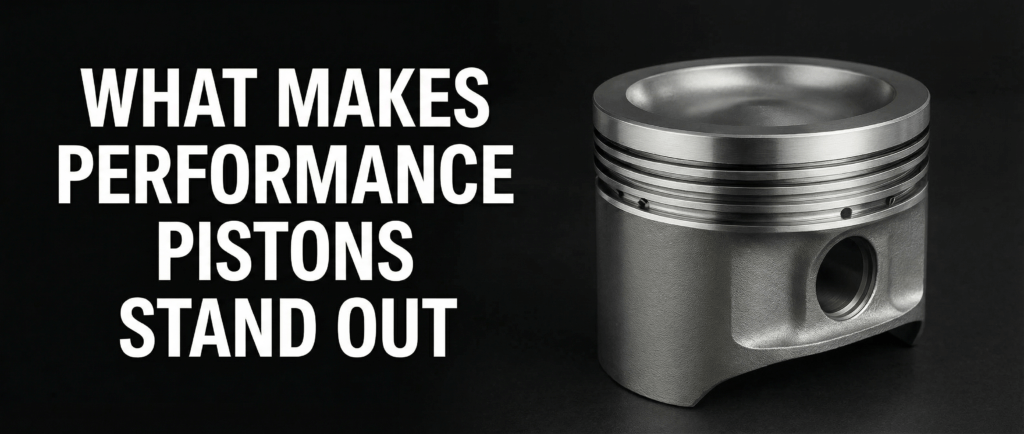
An image showing a performance piston.

Performance pistons are at the core of any high-performance engine, serving as the crucial link between crankshaft and combustion. They play a significant role in converting fuel into the horsepower your vehicle craves. These pistons work tirelessly in the high-pressure environment of an engine, handling extreme temperatures and arduous conditions with resilience.

Understanding why performance pistons are essential begins with their purpose. They’re designed to withstand more pressure and higher temperatures compared to standard pistons. This makes them ideal for high-performance and racing engines, where every microsecond of response time matters. Whether you’re revving up on a race track or just enjoying a powerful drive, the right pistons can make all the difference.

Engine efficiency and power heavily rely on the pistons. They need to be precisely engineered to ensure optimal combustion. With the right pistons in place, the fuel’s explosion is maximized, pushing the piston down with the optimal force for better energy conversion and ultimately smoother engine performance.

When selecting performance pistons, it’s crucial to look at details like their material and construction. This sets the stage for enhanced durability and better heat management, ensuring your engine runs smoothly even at higher speeds. Picking the right performance pistons involves understanding these fundamentals, and how they translate into real-world driving experiences.

Material Matters: The Craftsmanship Behind Quality Pistons

When it comes to performance pistons, the material used can make or break your engine’s performance. Manufacturers usually choose between forged and cast pistons, each with its own set of benefits and drawbacks. Understanding these differences can help you make the right choice for your specific needs.

Forged pistons are often favored in high-performance engines thanks to their superior strength and durability. They’re crafted by pounding heated metal into molds under intense pressure, which aligns the metal’s grain for added robustness. This process results in pistons that can withstand higher stress levels, making them perfect for racing or heavily modified engines.

Cast pistons, on the other hand, are created by pouring molten metal into a mold. They’re usually lighter and more affordable, which makes them a popular choice for standard engines. However, they don’t offer the same level of endurance as forged counterparts. If your drive demands extreme power, forged might be the way to go.

A critical part of piston selection involves considering weight. Lighter pistons can allow for better acceleration and responsiveness, reducing the engine’s strain and enhancing overall agility. However, heavyweight pistons can be beneficial for engines that require more power and can add stability at higher output levels.

Balancing these attributes—weight, durability, and cost—requires careful consideration of how you use your vehicle. For daily driving with minimal stress, cast pistons may suffice. If pushing limits is your style, investing in forged pistons could pay dividends in performance and engine longevity.

Engineering Excellence: Design Innovations in Performance Pistons

The design of performance pistons is critical in maximizing engine efficiency and unleashing power. Innovations in design bring about notable enhancements in how pistons function, contributing directly to better vehicle performance.

Key design features to consider include the shape and weight of the piston crown. Advances in piston crown design improve the air-fuel mixture’s burn efficiency, leading to more power with each stroke. Lightweight designs reduce inertia, meaning your engine can rev quicker and handle stress better.

Cooling is another important aspect. Many high-performance pistons incorporate advanced cooling techniques, such as oil cooling jets or heat-resistant coatings. These features help maintain optimal temperatures, reducing the risk of overheating and boosting overall engine reliability.

Piston geometry plays a big role in engine dynamics, too. A perfectly matched piston size ensures optimal fit within the cylinder, minimizing friction and maximizing output. Some designs incorporate unique skirt shapes or offset wrist pins to enhance stability and performance.

When exploring piston options, consider not just the power benefits but also how design enhancements contribute to durability and fuel efficiency. A well-engineered piston can mean fewer pit stops at the mechanic and more time enjoying the road—letting you experience the thrill of driving the way it was meant to be.

Customization and Versatility: Tailoring Pistons for Every Engine’s Unique Needs

Customization in performance pistons allows for a precise fit tailored to specific engine requirements. A piston that snugly fits its cylinder can dramatically enhance engine efficiency and performance.

Size and fitment are paramount considerations. Custom pistons are available in a range of diameters and lengths. Ensuring the right match for your engine’s bore can reduce friction and improve power transfer.

Surface treatments and coatings also play a vital role. Options like ceramic or molybdenum coatings can enhance heat resistance and reduce friction. These treatments extend the life of the piston and improve overall engine performance.

Beyond size and coatings, pistons can be customized with features like additional valve reliefs for high-lift camshafts, or reinforced ring lands for turbo or supercharged engines. These modifications can help manage the additional stresses of advanced engine setups.

Selecting the right customization allows engines to operate at peak performance, tailored precisely to the needs of the vehicle and the driver’s demands. By closely aligning piston attributes to engine specs, you ensure longevity and reliability, paving the way for a powerful yet smooth driving experience.

The Competitive Edge: How Performance Pistons Drive Success

In the world of motorsports and high-performance vehicles, having the right pistons can be the difference between winning races and lagging behind. Performance pistons provide that crucial competitive edge, refining the engine’s output to perfection.

Real-world examples abound in racing, where enhanced pistons contribute to superior lap times and reliability under pressure. The most successful teams often credit their optimized piston choices as a key factor in their triumphs. These pistons are built specifically for handling the intense demands of high-speed racing, providing that extra push when it really counts.

Testimonials from automotive experts and enthusiasts often highlight the transformative effects of quality pistons. Many report noticeable improvements in throttle response, engine smoothness, and overall power delivery. These firsthand accounts reinforce the critical role pistons play in achieving unmatched performance.

Choosing the right performance pistons involves careful consideration of your vehicle’s specific needs and potential modifications. Assess factors like intended use, engine type, and desired power output. Investing in well-crafted pistons tailored to your setup ensures you harness every bit of horsepower without compromising reliability.

Understanding how pistons fit into the bigger picture of performance can guide your decisions, ensuring every component works in harmony for the ultimate driving experience. With the right pistons under the hood, you’re well-equipped to enjoy not just speed, but the thrill of superior engine dynamics.

How to Check and Adjust the Spark Plug Gap

Your spark plugs play a vital role in your engine’s performance and efficiency. One often-overlooked detail that can make a big difference is the spark plug gap — the distance between the center and ground electrodes. If this gap isn’t set correctly, your engine may misfire, idle roughly, or suffer reduced fuel economy.

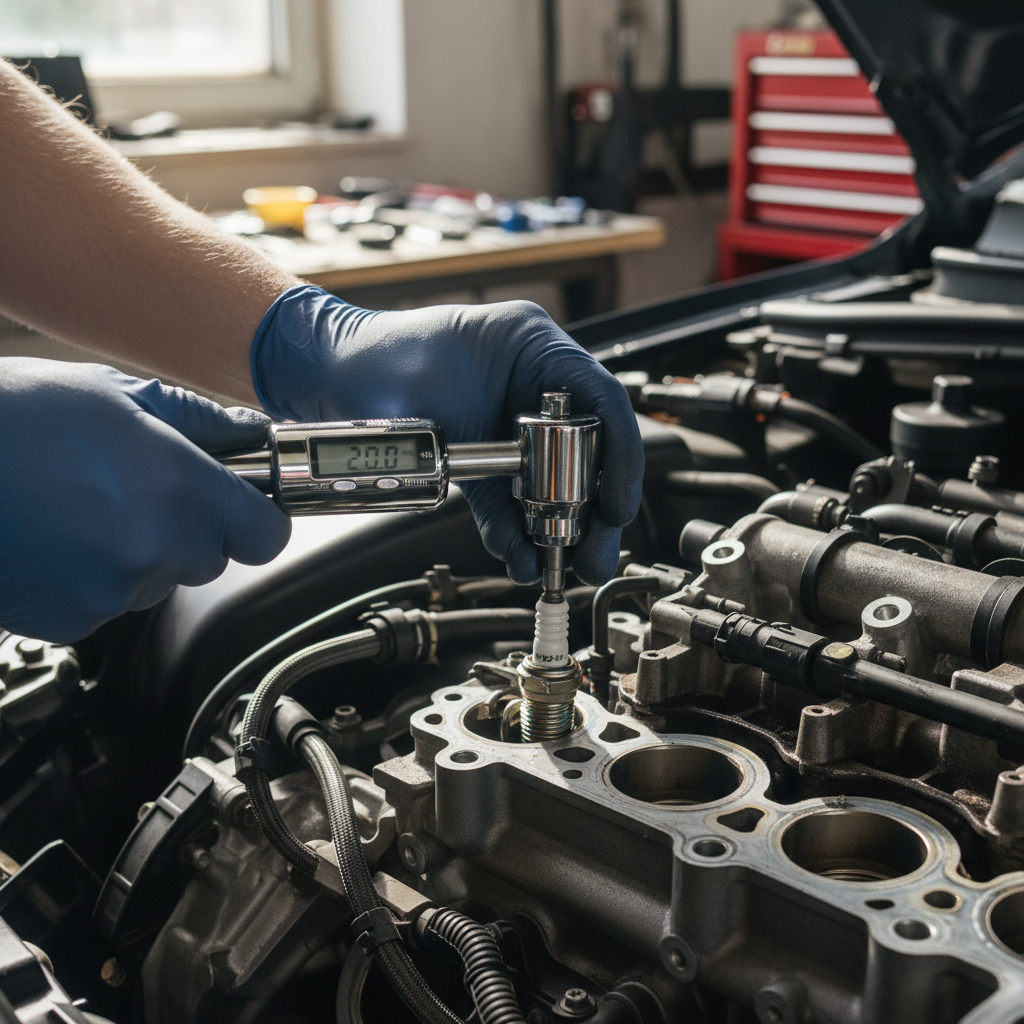
A mechanic using a spark plug gap gauge to measure the distance between the center and ground electrodes of a spark plug.

In this guide, I’ll walk you through how to check and adjust the spark plug gap to keep your engine running smoothly.

Why Spark Plug Gap Matters

The spark plug gap controls the size of the spark that ignites the air-fuel mixture in your engine’s cylinders.
A gap that’s too small may cause a weak spark, leading to incomplete combustion and poor performance.
A gap that’s too wide can make it difficult for the spark to jump across, especially under high compression, leading to misfires.
Maintaining the correct gap ensures efficient combustion, smoother acceleration, and optimal fuel efficiency.

What You’ll Need

Before you begin, gather these tools:

  • A spark plug gap gauge or feeler gauge
  • A spark plug gapping tool (or small adjustment tool)
  • A clean cloth
  • Your vehicle’s service manual (for the correct gap specification)

Step 1: Locate the Recommended Gap

Check your owner’s manual or the under-hood emissions label for the manufacturer’s recommended spark plug gap. Different engines require different gap sizes, typically between 0.6 mm and 1.3 mm (0.024–0.052 inches).

Step 2: Measure the Gap

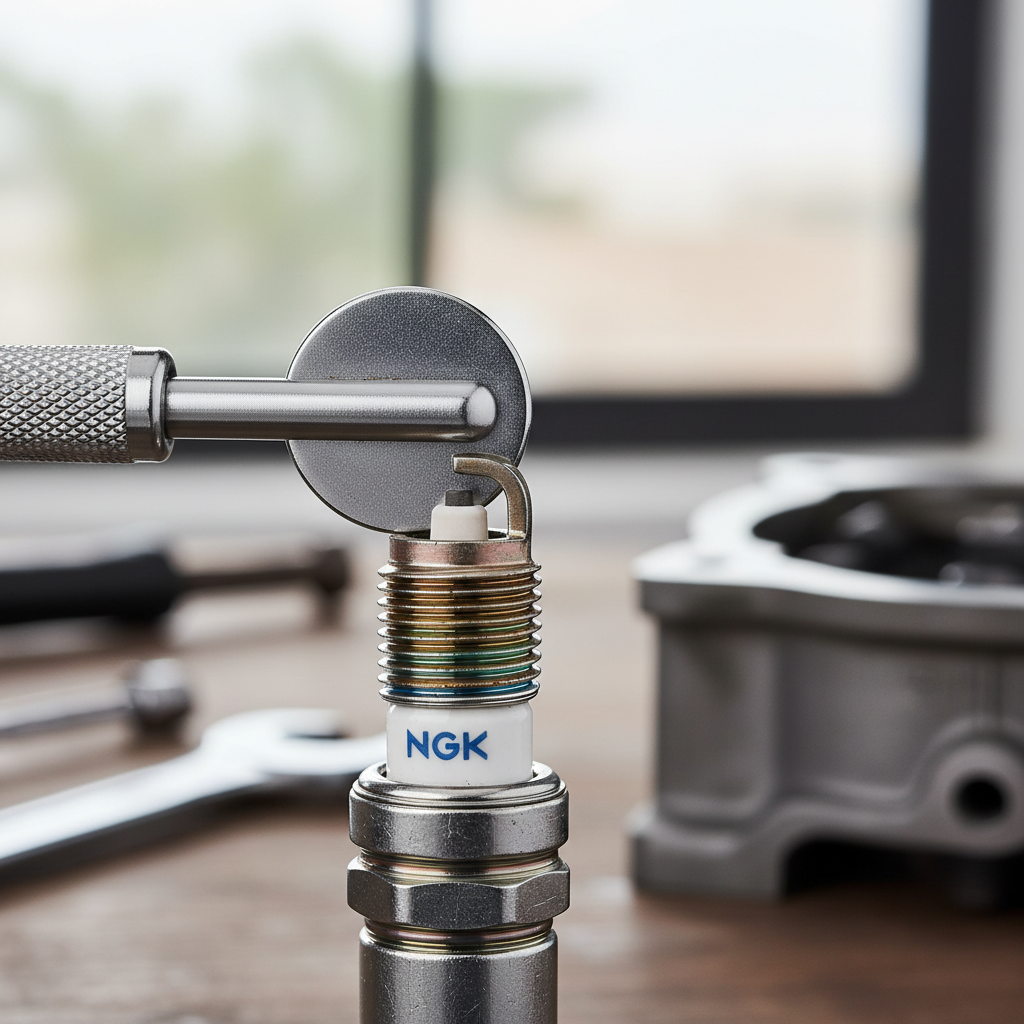
A spark plug with a round gap gauge inserted between the electrodes.

Hold the spark plug with the electrodes facing you.

Insert the correct-size wire from your gap gauge between the center and ground electrodes.

You should feel a slight drag — that indicates the correct gap.

If the gauge passes through too easily or won’t fit, the gap needs adjustment.

Step 3: Adjust the Gap

To widen the gap: Gently bend the ground electrode outward using the gapping tool.

To narrow the gap: Carefully tap the ground electrode inward.

Re-check the gap with your gauge until it matches the specification.

⚠️ Tip: Never pry or bend the center electrode — it can easily break or damage the insulator.

Step 4: Reinstall or Replace

Once all spark plugs are properly gapped, reinstall them according to your vehicle’s torque specifications. If the electrodes show wear, heavy deposits, or damage, it’s best to replace the plug entirely.

Final Thoughts

A properly gapped spark plug ensures consistent ignition, better combustion, and improved engine efficiency. Spending a few extra minutes checking and adjusting the gap can go a long way toward preventing engine issues and maximizing performance.

Turbocharger Installation Guides For Specific Car Brands

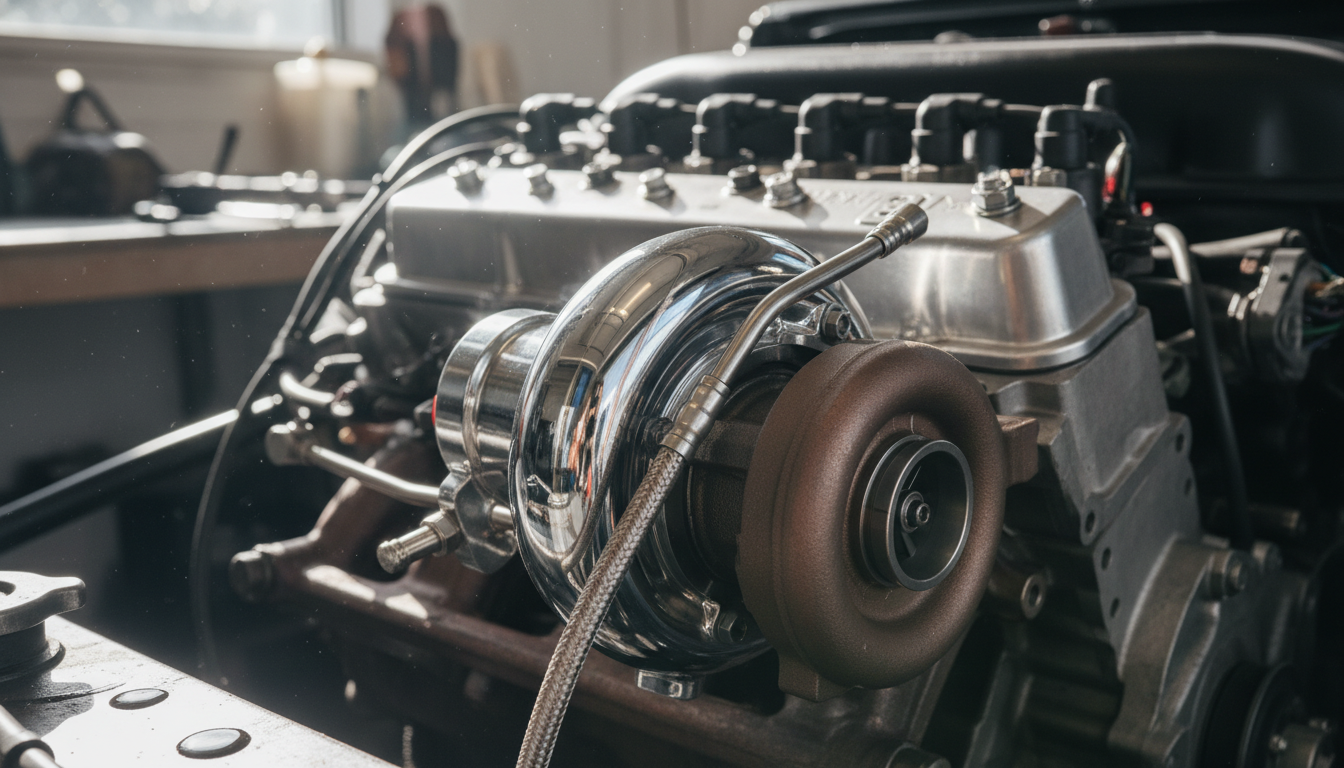
A close-up of a shiny turbocharger with engine components in the background.

Turbochargers are like energy drinks for your car, boosting its power and efficiency. They’re all about forcing more air into the engine, creating extra horsepower without needing a bigger engine. So, your ride gets faster, yet stays compact.

When installed right, a turbocharger can transform even a regular engine into a performance machine, giving you that extra kick when you hit the gas. It’s like adding a jet pack to your car—suddenly, hills feel flatter and highways stretch out like runways.

Getting the installation spot on is crucial. A misplaced bolt or poorly fitted pipe can mess with your car’s balance and even cause damage. Precision here isn’t just a nice-to-have; it’s a must-have for anyone serious about squeezing out every bit of performance from their turbo kit.

While turbochargers do wonders, there are plenty of myths out there. Like, slapping one on will immediately double your car’s power overnight. It’s about finding that right blend of components and settings.

Understanding Turbocharger Compatibility: Finding the Perfect Fit for Your Car Brand

Picking the right turbocharger is like finding the perfect shoes—they need to fit just right for the best performance. Each car brand has its own personality, unique chassis design, and engine specs, which means what works for one might not for another.

Compatibility isn’t just about slapping on power; it’s about harmony between turbo and engine. Factors like engine displacement and fuel system play into what turbocharger will vibe with your ride’s personality. Picking the right one can mean the difference between a smooth drive and a sputtering mess.

Some brands are turbo-ready, while others might need a bit more love and adjustment. Whether you’re driving a high-revving racer or a sturdy off-roader, understanding what makes your car tick is key to choosing a turbocharger that’ll get along with its engine.

When diving into specific brands, you’ll see variations in what they require. Whether it’s air intake tweaks or exhaust upgrades, know your car’s strengths and quirks before the installation for a seamless fit.

Cars are like people—they have unique attributes. A sports car might demand a high-performance turbo, while a daily driver needs something more balanced. Getting the right setup tailored to your car can enhance its natural abilities without pushing it over the edge.

Installation Process for Brand A: Customizing the Boost

When it comes to giving your Brand A vehicle a turbocharged boost, precision and patience are key. Think of it like a complex puzzle—all the pieces need to fit together perfectly. So, having the right tools and a clear plan can make all the difference.

Start by gathering your tools

Essentials include:

  • A socket set
  • A torque wrench
  • Solid jack

Having everything handy saves you those frantic trips to the hardware store mid-install.

Begin with the basics:

Disconnect the battery- You don’t want any unexpected sparks flying. Once the power’s off, remove the stock exhaust manifold. This makes room for the shiny new turbo kit.

Mount the turbocharger snugly, ensuring it aligns perfectly with the engine manifold. Any missteps here might cause performance hiccups or worse.

Next, manage the oil lines carefully—these keep your turbo healthy and cool. A misconnected line could lead to overheating and premature wear.

With the installation in place, double-check all connections. Bolts should be tight, but don’t overdo it! Torque specs matter to avoid stripping or snapping.

Once everything’s secure, reconnect the battery and start the engine. Listen closely for odd noises. You’re aiming for a smooth purr, not a rattling growl.

Final step? Hit the road for a cautious test run. Feel the difference, but don’t push too hard until everything’s broken in. Your aim is seamless power delivery, chasing down optimal performance without overstraining the engine early on.

Tuning Your Turbocharged Brand B Car: Extracting Maximum Potential

After installing a turbocharger on your Brand B vehicle, the real fun begins with tuning. Getting the engine control unit (ECU) settings right is like finding the sweet spot on a mixing board—balance is everything.

Brand B cars often have specific ECU parameters that need adjusting post-installation to unleash the turbocharger’s full potential. Tweaking these settings affects not just power output, but also fuel efficiency and engine longevity.

A solid approach to tuning balances performance with reliability. Too much boost might sound exciting but could push your engine beyond its limits if not handled with care.

If tackling this on your own, consider investing in tuning software designed for Brand B vehicles. These tools allow you to make precise adjustments and monitor results in real time. Plus, they often come with community forums—and that’s where tips and tricks are shared among enthusiasts.

For those less DIY inclined, a professional tuner is your best bet. They’ll have the expertise and equipment to fine-tune your turbocharged ride, ensuring it performs optimally without compromising safety or compliance with local emission laws.

Tuning isn’t just about seeking power; it’s about enhancing the driving experience, too. A well-tuned turbo means smoother acceleration, better throttle response, and even improved fuel economy when done right.

Maintaining Your Brand C Turbocharged Engine: Ensuring Longevity and Reliability

Regular maintenance is the secret to getting the most life out of your turbocharged Brand C engine. Turbochargers run hotter and harder, so staying on top of engine care is vital.

One task that shouldn’t be skipped is changing the oil regularly. Turbocharged engines can be demanding on motor oil, which acts as a lubricant and cooling agent. Opt for high-quality, turbo-rated oils to keep things running smoothly.

Keep an eye out for early warning signs of wear and tear. Listen for strange noises, like whining or rattling during acceleration, or check for loss of power—these might indicate turbo issues needing immediate attention.

Choosing the right coolants is equally important. Aim for products that can handle the extra heat generated by a turbo. Consistent temperature management can prevent overheating disasters that could set you back big time.

Get familiar with potential leaks, as these can spell trouble. Regularly inspect gaskets and seals, especially around the turbo oil lines. Catching a leak early can save you from costly repairs and give you peace of mind.

Professional inspections and routine servicing can’t be overlooked. Think of these as your engine’s check-ups, necessary for identifying hidden issues that might not be obvious at first glance. Don’t gamble with your investment—keep your turbo on point with scheduled professional assessments.

Exploring the Future of Turbocharging: Innovations and Advances

An image showing an electrically assisted turbocharger

The world of turbocharging is buzzing with innovation, turning what was once reserved for high-performance cars into a staple for eco-friendly and efficient engines. The latest tech trends show how turbocharging is evolving beyond just raw power.

Engine designs are shifting, driven by stricter emission standards and fuel efficiency demands. Turbochargers today are lighter, more efficient, and smarter, responding dynamically to varying driving conditions. It’s not just about speed anymore; it’s about achieving more with less.

Electric turbochargers are making waves, eliminating lag time and providing instant boosts. By using an electric motor to assist the turbo, drivers get smooth power delivery without waiting for exhaust gases to catch up.

For those in the scene, staying updated on these innovations helps ensure future-proof installations. Investing in adaptable systems or those with modular components can keep your turbo setup relevant, even as car technology races forward.

Insights from industry experts underscore the importance of education and adaptability. Whether you’re tweaking current setups or planning new installations, keeping an ear to the ground on turbo advancements helps in making informed decisions. The road ahead is exciting, and being part of this turbo revolution can make your ride more rewarding in every sense.