Top 5 Benefits Of Upgrading To A Turbocharger

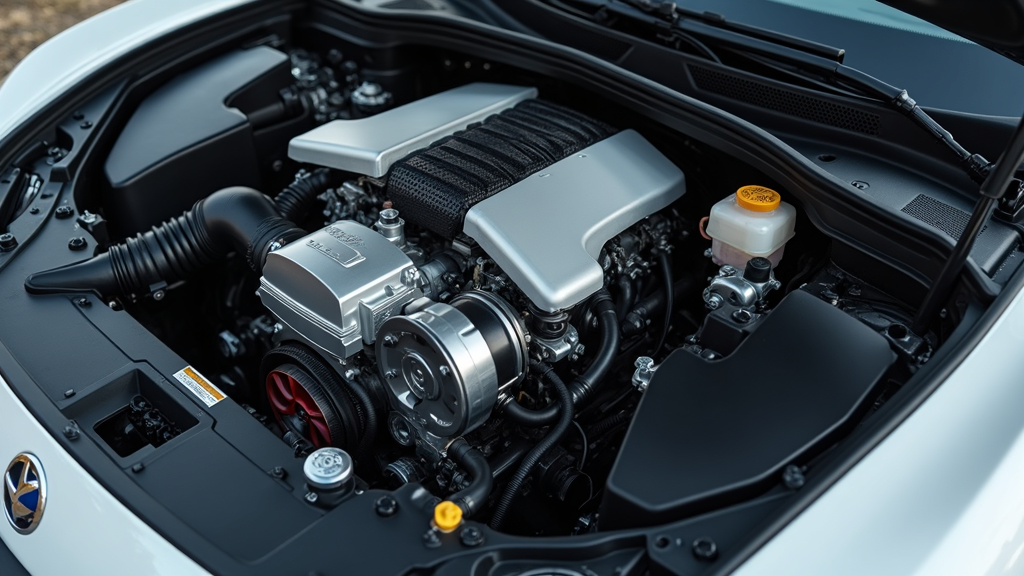
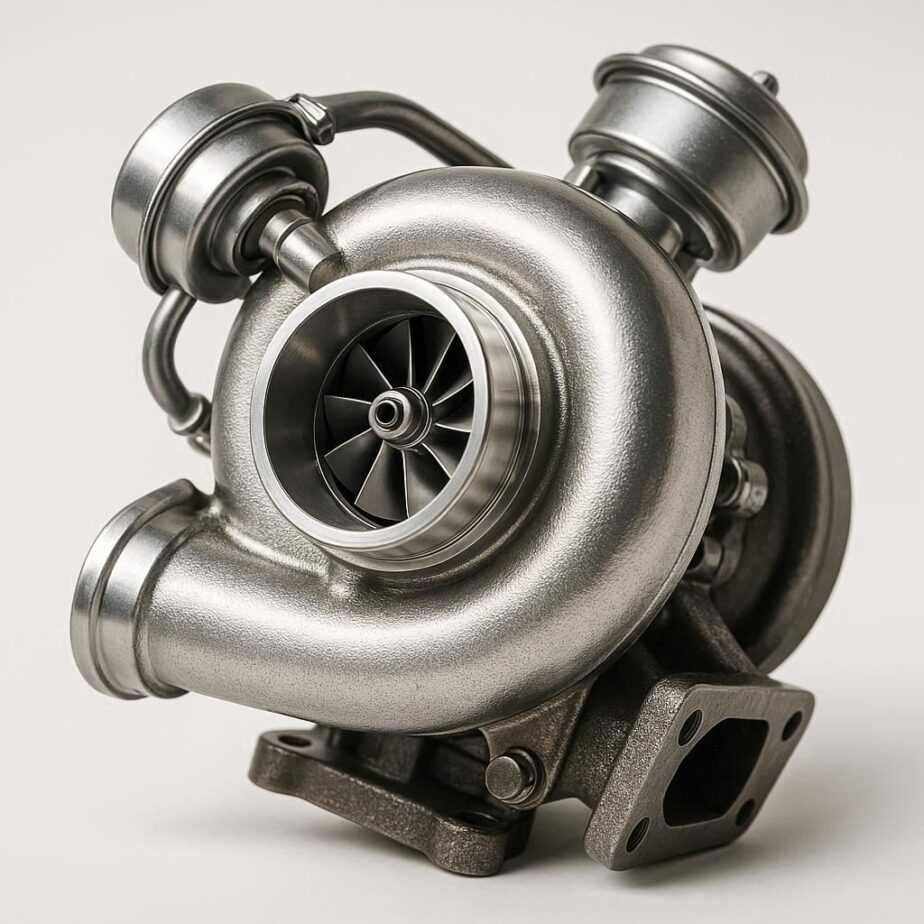
Turbochargers take your engine to the next level. A turbocharger is like a super fan for your engine. It forces more air into the combustion chamber, mixing with more fuel for a bigger bang and boosting the power output without changing engine size. This gadget spins up to crazy speeds, around 200,000 revolutions per minute, using the exhaust gas expelled from the engine to spin a turbine. That’s like getting more power from the same amount of space, kind of magic, right?

The journey of turbochargers is fascinating, stretching from their use in airplanes during the World War I to find their way under the bonnets of muscle cars, race cars, and the most efficient everyday rides today. They evolved over years, adapting to different needs like enhancing performance, improving fuel efficiency, and even making commercial trucks more effective. Talk about evolution at its finest!

Why should you care about turbochargers? Simple.

  • They’re game changers for anyone who loves driving or wants a smarter, more efficient car
  • Turbochargers increase your car’s horsepower without the need for a larger engine
  • You get the thrill of a performance boost while still being kind to your wallet
  • For tech-savvy drivers, turbochargers help achieve the optimal balance between power and efficiency
  • Turbochargers go beyond cars and are used in marine engines, aircraft, and industrial equipment
  • This wide usage highlights their incredible versatility
  • They’re not just for car enthusiasts — they cater to various needs
  • Ideal for speed lovers as well as drivers who want a smoother, more efficient ride

Faster Acceleration: Boosting Performance and Speed

Turbocharged cars have a reputation: they’re fast. When a car can accelerate quickly, it feels smooth and responsive, turning ordinary drives into exciting experiences. With a turbocharger, you’re not waiting for the engine to catch up with your need for speed. It’s almost instant gratification, the kind of thrill only previously possible with muscle cars or the pricier sports cars.

You might wonder how turbochargers compare with traditional naturally aspirated engines. The difference is night and day. While naturally aspirated engines rely purely on atmospheric pressure, turbochargers push that air in forcefully, meaning your car can combust more powerfully and efficiently, pounding out a horsepower and torque boost.

Turbochargers allow cars to maintain impressive performance without needing huge engine blocks. This means smaller, lighter vehicles can achieve mighty outputs, profile like a performance beast while being relatively lighter on their feet.

Hearing from those who’ve experienced the transformation first-hand tells the real story. Many drivers switching to turbocharged engines rave about how it changes everything from their daily commutes to track days. It’s not just about speed; it’s about a whole different level of control and power that’s achievable every time you hit the accelerator.

Fuel Efficiency: The Green Benefits of a Turbocharged Engine

A fuel pump icon with a downward arrow, blending with a turbo image to show reduced consumption.

Turbochargers aren’t just about speed; they’re surprisingly eco-friendly too. By making the engine work harder without actually working more, turbochargers can make cars more fuel efficient. It’s all about doing more with less, which is a pretty nifty trick in this age of high fuel prices and environmental concerns.

A turbocharged engine typically burns fuel more efficiently than its naturally aspirated counterpart. While it’s packing a punch, it’s also sipping that gas tank gently. This means you’re cruising faster or hauling more without needing to refuel as often, saving you cash in the long run. Less time at the pump means more time enjoying the open road, and who doesn’t want that?

These efficient engines produce fewer emissions than traditional engines, contributing to a greener planet. It’s easy to see the benefit to your pocket, but let’s not forget the reduction in your carbon footprint. It’s a win-win when you can drive a car that’s not just powerful but also cleaner for the air around us.

Real-world experiences back this up. People report noticeable drops in gas bills after switching to turbocharged cars. Consider the testimonials of those who’ve made the switch; many find it satisfying to pass by gas stations a little more often while still maintaining robust, satisfying performance from their vehicle.

If you would like to purchase a turbo for your vehicle you can go here

Increased Engine Lifespan: Reducing Wear and Tear

Turbochargers can significantly impact your engine’s durability. By efficiently boosting power output, they allow the engine to produce greater power without increasing the engine’s RPM. This means your engine does not have to work as hard, leading to less wear and tear over the long haul.

An underrated benefit is how turbochargers help manage engine temperature. They ensure that the energy isn’t wasted, turning potential waste heat into power. This efficient use of energy prevents the engine from overheating, which is one of the leading causes of engine wear.

Add turbochargers to the mix, and your ride experiences less mechanical stress overall. All those parts that usually face extreme conditions breathe a little easier, promising you a higher chance of long-term reliability and fewer parts replacements.

The savings go beyond just the cost of fuel. Fewer repairs and maintenance checks are a reality with a longer-lasting engine. Many vehicle owners notice their turbocharged engines require less frequent visits to the mechanic, leading to decreased costs over time. By reducing maintenance issues, turbochargers can earn their keep and prop up the vehicle’s resale value over time.

Enhancing Towing and Hauling Capabilities

  • Turbochargers give vehicles a serious edge when it comes to towing
  • They significantly improve torque, which is essential for hauling heavy loads
  • Vehicles handle towing strain without feeling sluggish or overworked
  • Ideal for drivers who frequently tow trailers or carry heavy cargo
  • Turbocharging boosts torque across a wide range of engine speeds
  • Uphill climbs and pulling heavy trailers become much easier
  • Engines can perform at their peak even under high strain
  • You don’t need a bigger engine to tow more — just a smarter, turbocharged one
  • Turbochargers are widely used in industrial trucks and commercial vehicles
  • They prove their value in real-world, heavy-duty applications
  • Truck owners report increased power, better control, and stronger torque
  • Fewer trips are needed thanks to improved load handling
  • Better efficiency helps reduce time and fuel consumption
  • Turbochargers increase driver confidence, making heavy-duty work feel effortless

**Here’s a little transparency: Our website contains affiliate links (including eBay affiliate links). This means if you click and make a purchase, we may receive a small commission. Don’t worry, there’s no extra cost to you. It’s a simple way you can support our mission to bring you quality engine parts content**

How Alternators Work: A Beginner’s Guide

Alternators might seem like just a background player under your car’s bonnet, but they’re actually heart and soul when it comes to keeping things running smoothly. They’re the key component that powers all the electrical systems in your vehicle. From your headlights to your dashboard gadgets, everything relies on a well-functioning alternator.

Why are alternators so crucial? Well, unlike what some folks might think, car batteries aren’t doing all the heavy lifting alone. Once the engine’s up and running, the alternator takes over the job of keeping the battery charged and powering the electrical goodies. Without a working alternator, you’d find your car battery running dry pretty quickly, leaving you stranded with a vehicle that refuses to start.

Now, you might be wondering how alternators differ from those old-school generators. While both churn out electricity, alternators are specifically designed for modern vehicles, offering higher efficiency and better performance. They can handle the varied demands of today’s tech-filled cars much better than their generator granddaddies.

Key Components of an Alternator: Understanding the Essentials

The alternator might look like a simple hunk of metal at first sight, but it’s made up of some pretty fascinating bits and pieces working together to power up your ride. Let’s break down the four main components that make all the magic happen inside an alternator.

First up is the stator:

An alternator stator.

the stationary part. It’s basically a ring of wires that sits around the rotor. When the rotor spins, it creates a magnetic field, and this interaction with the stator’s coils is where the electricity generation process kicks off.

Next, we have the rotor:                                                                                                             

                                                                                                                                              Alternator rotor

the rotating component that’s at the heart of this setup. Spinning with the help of a belt connected to the engine, the rotor is where the magnetic field gets its power, fueling the whole electricity-generating show.

Then there’s the diode assembly:

An alternator diode assembly

which is crucial for changing the alternator’s AC output to the DC voltage your car needs. Think of it as the team responsible for translation, making sure the electricity speaks the right language for your vehicle’s electrical components.

Finally, the voltage regulator:

                                                                                                                                                  An alternator voltage regulator

is like the brain of the operation, ensuring everything runs at the correct voltage. It keeps a close eye on the output, preventing any spikes or drops that could lead to trouble. It’s the peacekeeper, maintaining harmony across the vehicle’s electrical system.

Alternator Operation: From Mechanical Energy to Electrical Output

The alternator’s operation is an impressive example of engineering at its best. It takes mechanical energy supplied by your car’s engine and turns it into electrical energy that powers your vehicle’s electronics.

When you start your car, the engine gets the alternator’s rotor spinning. As it rotates, the rotor creates a magnetic field. This magnetic field interacts with the stator—a stationary set of coils—and generates alternating current (AC) electricity. It’s a seamless cycle, all orchestrated by the motion of your engine.

Now, here’s where it gets interesting. Your car’s electrical system doesn’t actually use AC. It’s designed for direct current (DC). That’s why the diode assembly plays a key role by converting the AC generated by the spinning action into DC. This freshly converted DC power is what keeps your battery charged and your electronics running smoothly.

In essence, alternators are nifty devices that ensure your car doesn’t run out of juice while you’re halfway to your destination. The rotor-stator duo, alongside the smart diode assembly, keeps everything ticking along nicely, proving how mechanical motion can be transformed into something much more versatile—electricity.

Alternator Output: Parsing AC vs. DC Voltage

Alternators are interesting devices because they output alternating current (AC) even though your car runs on direct current (DC). It’s a bit like starting off speaking one language and converting it to another so everything can work smoothly.

The alternator’s spinning rotor and stationary stator produce AC electricity initially. But most of your car’s components—from lights to electronics—operate on DC voltage. So how does this switch happen?

This is where the diode assembly becomes crucial. It acts like a bridge, taking the raw AC and converting it to DC. This conversion is necessary because your car battery can only be charged by DC. Without this step, the battery wouldn’t stay charged, and driving without a battery that holds charge is a major no-go.

Outputting DC ensures all the electrical components get the consistent power they need to function properly. The DC also helps in keeping the battery charged, so starting your car next time isn’t a hassle. That’s why understanding the AC to DC transformation is so vital when it comes to alternators.

Maintenance and Troubleshooting: Keeping Your Alternator Running Smoothly

A smoothly functioning alternator is key to avoiding unexpected road hiccups. Keeping tabs on its performance can save a lot of trouble down the line. Common signs that your alternator might be faltering include flickering headlights, a dashboard warning light (often shaped like a battery), and strange noises coming from under the hood.

Routine maintenance goes a long way in avoiding these issues. Regularly check the belt connected to the alternator for wear and tear—it should be snug and free from cracks. If it looks worn out, it might be time for a replacement to ensure the alternator keeps spinning efficiently.

Another handy tip is to make sure all electrical connections are clean and secure. Any loose or corroded wires can lead to performance issues, affecting the alternator’s ability to keep the electrical systems alive and kicking. A little cleanup can prevent bigger headaches.

Troubleshooting a problematic alternator isn’t rocket science. If your battery keeps draining, even after replacement, chances are the alternator might be the real culprit. It’s always smart to get it tested by a professional. They can catch issues like diode rectification problems or voltage regulator failures that aren’t always evident at first glance.

Keeping up with these checks ensures your alternator stays in good shape, maximizing its lifespan and keeping your vehicle’s electrical components running as they should.

Future of Alternators: Innovations and Alternatives in the Automotive Industry

Alternators aren’t just sitting on their laurels. With technology pushing boundaries every day, the future of alternators is looking pretty exciting. These trusty devices are getting smarter and more efficient, evolving alongside the automotive industry’s innovations.

Electric vehicles (EVs) are changing the game entirely. Since they don’t rely on traditional internal combustion engines, the traditional alternator is taking a backseat. That doesn’t mean power management isn’t essential, though. EVs use advanced systems to handle energy conversion and storage, adapting the basic principles of how alternators operate.

Innovations like smart alternators are beginning to emerge in conventional vehicles, aimed at enhancing fuel efficiency. These smart systems adjust their output based on the vehicle’s power needs, offering better energy use without wasting fuel. It’s all about getting the most from every drop of fuel.

Keep an eye out for solid-state chargers and other cutting-edge alternatives that are coming up. Although we’ve leaned on the cylinder of copper wire and magnetic fields for years, the ongoing research might surprise us with something entirely new.

This transition phase underscores how the humble alternator is being reimagined as we move towards more sustainable and smarter automotive solutions. Not just sticking with the old but innovating into something even more capable of keeping up with tomorrow’s driving demands.

Top 5 Signs Your Spark Plugs Need Replacing

Nothing’s more frustrating than hitting the gas pedal and feeling like your car’s moving through molasses. Yep, a sluggish response could be your spark plugs crying out for help. Spark plugs are basically the spark of life for your engine. They set the whole thing in motion by igniting the air-fuel mix in each cylinder.

When your acceleration feels off, your spark plugs might be worn out and not able to create a powerful enough spark. This weak spark means less combustion, which means your car doesn’t zip forward like it should. It’s kinda like trying to run a marathon after skipping breakfast and lunch.

Here’s a quick way to test. When you’re driving, pay attention if your car feels like it’s lagging when you step on the gas. Or maybe you’re noticing it takes more pedal to get up to speed. If that’s happening, your plugs might be due for a swap.

Wondering if you should DIY or hit the shop? If you’re fairly comfy popping the hood and have some basic tools, checking your spark plugs isn’t rocket science. They usually live on the top of the engine, and you can pull them out to give ’em a look. But, and it’s a big but, if you’re unsure about getting your hands dirty, don’t sweat it. Sometimes it’s best to leave it to the pros. They have all the right tools and can spot other hidden issues too. So, whether it’s a DIY afternoon or a trip to your mechanic, just make sure you address it. Your car will thank you with that smooth pick-up we’ve all come to love.

Engine Misfires: Is Your Engine Battling To Stay Smooth?

Ever hear your engine making a weird sound like it’s stuttering or hiccuping? That’s what’s called an engine misfire, and it often sounds as annoying as it feels. Spark plugs play a starring role here because they help keep your engine running smoothly. If they’re not up to par, your engine could miss beats more often than you’d like.

When your engine misfires, it’s usually a sign that something’s amiss in the combustion process. Spark plugs can become fouled or damaged over time, messing with the timing and consistency of the sparks. The result? Your engine struggles to keep that smooth rhythm you’ve come to expect when you’re on the road.

If your car sounds like a percussion band having a bad day or if it feels kind of shaky at random times, you might be dealing with misfires due to bad spark plugs. An engine that misfires won’t just annoy you; it can also lead to reduced fuel efficiency and even damage other engine parts over time.

So what should you do if you’re hearing those unsettling pops or feeling unexpected jerks? First, don’t ignore it—those sounds are your engine’s version of calling for help. Sometimes a simple visual inspection of your spark plugs can reveal a lot. Keep an eye out for discoloration or buildup on the electrode. If you’re not comfortable tackling this yourself, a quick visit to your mechanic can provide clarity and options.

Addressing misfires promptly means you’ll keep your ride smooth and avoid costly repairs down the road. Take it from me, it’s way more fun to spend your time driving without those annoying hiccups.

Poor Fuel Economy: Are Fuel Costs Going Through The Roof?

Noticing that your trips to the gas station are getting more frequent can hit where it hurts—in the wallet! A drop in fuel economy could be your car’s way of telling you the spark plugs are underperforming. They may not be creating the spark needed for efficient combustion, causing your engine to guzzle more fuel than necessary.

When the air-fuel mix in the cylinders doesn’t ignite properly, your engine has to work overtime. You’ll end up burning more fuel just to get the same power out of your car. That’s like feeding a full-grown person three meals to do the work of one!

Does your car feel like it’s thirsty all the time? You can check your fuel consumption manually. Start by noting your mileage when you fill up next, then monitor how many miles you actually get from that tank. A significant drop might just lead you back under the hood.

Looking to save some cash and bring those bills down? Inspecting and replacing old spark plugs can tighten up your engine’s performance, leading to better fuel economy. Again, you could either dive in yourself if you’re familiar with the basics, or head over to your mechanic for a faster diagnosis.

After fresh plugs are in, you should notice fewer trips to fuel up. Even small improvements in fuel economy can add up to big savings over time, keeping your ride efficient and your wallet happy. So keep an eye on those mpg numbers and consider a plug check if they start slipping.

Difficulty Starting the Engine: Struggling to Get Going?

Nothing’s worse than getting into your car, turning the key, and hearing your engine labor before it finally kicks in—or worse, not starting at all! While there can be a few culprits causing this issue, spark plugs are high on the list.

Spark plugs initiate the combustion needed for your engine to start. If they’re old or faulty, they might not complete this task effectively, especially in colder weather when starting an engine can already be a chore.

Does it feel like you’ve got to hold your breath each morning hoping the car will start? This inconsistency isn’t just inconvenient, it’s also a hint. Faulty spark plugs might be the reason your engine isn’t roaring to life without a fuss.

A simple inspection can reveal a lot about a spark plug’s condition. If you see cracks or deposits on the plug, it’s probably time for a change. Cold weather tests your engine to begin with, so ensuring your spark plugs are in pristine shape is crucial for reliable starting.

While some folks enjoy the hands-on challenge of checking and replacing plugs themselves, taking your ride to a qualified mechanic can be the quicker route. They can also perform a full system check to ensure there are no other underlying issues at play.

Once your spark plugs are fresh, your car should start more reliably, taking the stress out of that morning commute. Whether you’re a DIYer or prefer to leave it to the pros, getting those plugs looked at when starting becomes a hassle is a good call.

Engine Idling Roughly: Feeling Vibrations In The Air?

An engine that idles roughly can feel like it’s constantly grumbling under its breath. It’s another sign your spark plugs might be struggling. These little guys need to fire away consistently to keep your engine running smoothly, even when it’s just sitting still.

Rough idling is often easy to spot. You’ll notice unusual vibrations and maybe even strange noises when your car’s supposed to be resting quietly. This happens because if a plug isn’t firing correctly, it can throw off the engine’s timing at idle, resulting in a shaky experience.

If your car seems to vibrate more than a cat purring while idling, it’s worth taking a look at those plugs. Visual checks can sometimes show damage or carbon buildup that’s affecting performance. If you can’t see anything obvious, having a mechanic run a diagnostic is a smart move. They can pinpoint whether the plugs or another part of the ignition system is the issue.

Address rough idling sooner rather than later to prevent bigger problems. Leaving it too long can affect not just your comfort, but also lead to inefficient fuel usage and stress on other engine components.

Once you’ve got fresh, properly functioning spark plugs installed, you should see your car settle into a much calmer idle. Keeping tabs on how your engine feels and sounds is key to ensuring a smooth and efficient ride every time.

Choosing The Right Spark Plug For Your Hybrid Vehicle

Hybrid engines are all about bringing together the best of fuel-powered and electric driving. They work by combining an internal combustion engine with electric propulsion, which means they can switch between conventional fuel and electric power depending on what you need at the moment. This dual system has its perks, like better fuel economy and fewer emissions, making hybrids an eco-friendlier choice.

Now, in your regular fuel engine, spark plugs ignite the air-fuel mixture to kickstart the engine. But in hybrids, spark plugs have an extra workload. They not only handle ignition but also ensure the engine runs smoothly when the car switches between electric and gasoline power. It’s this seamless transition that’s the magic of hybrids.

With that said, hybrid engines do bring some unique challenges to the table. For instance, they’re often quieter thanks to their electric components, which means identifying problems can sometimes be tricky. Additionally, because they need to adapt to two power sources, finding spark plugs that can keep up with this back-and-forth operation is crucial. Compatibility is key here, and using spark plugs not designed for hybrids can lead to performance hiccups.

In a hybrid, the spark plug’s importance can’t be understated. It might be small, but it plays a massive role in keeping everything running efficiently. It’s like the unsung hero in your engine’s orchestra, ensuring every note is hit perfectly between switchovers. Understanding this means you’re already halfway to maintaining a top-performing hybrid car.

Identifying the Ideal Spark Plug: Key Considerations

Choosing the right spark plug

When picking the best spark plug for your hybrid vehicle, a little research goes a long way. One of the first things to think about is the material. Spark plugs often come in either platinum or iridium. These metals handle high heat and wear better than their copper counterparts, which is crucial since hybrids need consistent performance to switch between power sources smoothly.

Compatibility is another biggie. Each vehicle model may have specific requirements based on its engine design, and hybrids are even pickier. Finding a spark plug that fits these specs ensures you’re not compromising your engine’s performance. It’s a bit like finding that perfect puzzle piece that seamlessly fits into your complex hybrid engine.

Let’s talk about lifespan and performance next. The best spark plugs for hybrids not only survive the high demands of efficient combustion but thrive at it, improving overall efficiency. These little champs need to sustain high temperatures and operate without a hitch for thousands of miles. Going for known brands that vouch for their longevity and efficiency is wise.

Bottom line, it’s about getting the most out of your hybrid without pushing it too hard. A good spark plug doesn’t just ignite fuel; it ignites your car’s potential for better mileage and smoother rides. So, when choosing, make sure you’re opting for plugs that promise both durability and top performance. Your hybrid’s efficiency can only be as good as the smallest parts that keep it purring.

Performance Boosters: How the Right Spark Plug Impacts Your Hybrid

Switching to that optimal spark plug means more than just better starts; it gives your hybrid a noticeable edge in driving performance. Since hybrids rely on seamless transitions between gas and electric power, the right spark plug ensures every ignition is crisp and efficient. This lifeline helps the engine maintain that perfect balance, boosting overall responsiveness and efficiency.

Imagine the joy of having a hybrid that responds better the moment you hit the throttle. That’s exactly what a quality spark plug delivers. By enhancing the ignition process, the plug supports smoother fuel combustion. This means you get that crisp, powerful acceleration with every press of the pedal.

Real-life stories from fellow hybrid drivers mirror this. Many note that improved spark plugs tend to refine engine vibrations, offering a quieter ride. Plus, some are pleasantly surprised that their upgraded spark plugs continuously deliver better fuel efficiency even under demanding driving conditions.

Yet, navigating spark plugs for hybrids can sometimes feel like walking through a complex maze. Hybrid engines have unique spark plug needs to accommodate both power forms without hiccups. Ensuring that the ones you choose harmonize well with the electric-gas combo is critical. Whether you’re looking to eke out better gas mileage or just a smoother journey, the right spark plugs reset the bar on what your hybrid can achieve.

Common Pitfalls: Mistakes to Avoid When Choosing Spark Plugs

When it comes to buying spark plugs for your hybrid, a common mistake is ignoring the manufacturer’s guidelines. They’re not just suggestions—these specs ensure that the spark plugs can handle the hybrid’s specific needs. Always checking your owner’s manual or consulting with someone who knows their hybrid way around can save you from costly errors.

Another hiccup often encountered is believing myths about spark plugs. Hybrids aren’t like traditional gas engines, and assuming any spark plug works is a mistake. Spark plugs for hybrids need to cater to the unique dual-power needs, so conventional plugs just don’t cut it.

Materials matter a lot, and opting for the wrong one can lead to premature wear and inefficiency. Using copper plugs might save you a few bucks initially, but they generally wear out faster. For hybrids, the extra durability from platinum or iridium can actually end up being more cost-effective.

There’s also the risk of voiding your car’s warranty if you’re not careful with your spark plug choices. Using incompatible plugs can sometimes lead to bigger engine problems, affecting the coverage. So sticking to recommended types keeps the warranty intact, giving you peace of mind while driving.

It’s easy to fall into these traps, especially with hybrids being complex machines. But knowing what to avoid ensures you’re not just keeping your vehicle in top shape, but you’re also preventing unnecessary costs down the road.

Maintaining Your Hybrid’s Health: Spark Plug Maintenance Tips

Keeping your hybrid’s spark plugs in top shape is essential for steering clear of avoidable issues and maintaining peak performance. Regular check-ups allow you to spot tell-tale signs of wear like decreased performance or unusual engine noises. Ignoring these signs can snowball into bigger problems that cut into your vehicle’s efficiency.

Replacing spark plugs as needed is one of the simplest yet most effective things you can do. While every automaker offers its own schedule, a general rule of thumb is checking them every 30,000 miles or so. This step ensures that the plugs are always up to the task of maintaining that smooth transition between power sources in hybrids.

For those who like to get hands-on, a DIY spark plug check-up is pretty straightforward. All you need is a reliable socket set and a good manual to guide you through the process. Make sure to inspect the plugs for carbon deposits or blistered insulators, which suggest it’s time for a change.

If DIY isn’t your style, finding a trustworthy auto service for routine maintenance is gold. These guys are pros in spotting issues you might miss. Plus, they have the right tools and experience to fix any problems without batting an eye.

Proactive maintenance doesn’t just keep your hybrid purring—it’s about stretching the vehicle’s lifespan, ensuring you get the most out of your investment. By keeping an eye on your spark plugs, you’re investing in the long-term health of your vehicle.

Common Spark Plug Issues And How To Fix Them

Spark plugs might be small, but they play a giant role in your car’s engine. Think of them as the tiny fire starters that ignite the engine’s air/fuel mixture, making everything go vroom. Without them, your car’s engine is just a giant metal paperweight with wheels.

There are all kinds of spark plugs out there, each with its own special twist. You’ve got copper ones, platinum ones, and even fancy iridium ones. Each type has its perks and quirks, whether it’s better durability or a more intense spark. Choosing the right one depends on what you need from your ride.

These little plugs have a big say in how smooth your engine runs and how efficiently your car drinks fuel. Well-maintained spark plugs mean fewer stops at the gas station and less pollution puffing out from your tailpipe. Not to mention, they keep your engine purring instead of sputtering.

Common Spark Plug Issues: What Can Go Wrong?

When it comes to car troubles, spark plugs have their fair share of drama. They might start misbehaving, causing all sorts of engine hiccups and headaches. A tell-tale sign? Your engine’s throwing tantrums with rough idling, or maybe struggling to start on crisp mornings.

Misfires are another common headache. It’s like your engine’s missing a beat, leading to poor performance and making your fuel economy nosedive. Ever noticed a sudden drop in your car’s pep? That might just be your spark plugs crying for help.

Spark plugs can also get fouled, which is tech-speak for being clogged with gunk. Oil leaks, carbon deposits, and even engine misbehavior might coat them in grime, making it tough for the spark to shine through.

And then there are simply old spark plugs. Like many things, they wear out over time, affecting the timing and consistency of that crucial spark. When age catches up with them, it’s time to show them the exit and bring in the new recruits.

All these issues might seem minor, but they can seriously crank up the cost of driving over time. Knowing what to look for is half the battle won in keeping your car cruising smoothly.

How to Diagnose Spark Plug Failure: A Step-by-Step Guide

Spotting spark plug issues might seem like a job for the pros, but with a bit of guidance, you can crack the case yourself.

Start by giving them a good old-fashioned eye test: 

Pop the bonnet and look for any damage or wear on the spark plugs. Cracks or burn marks can be dead giveaways of trouble.

The next ally in your diagnosis journey?

The OBD-II scanner: Plug it into your car’s diagnostic port, typically found under the dashboard, and watch for any error codes showing up on the display. Codes like P0300 indicate random misfires, suggesting spark plug or ignition coil problems.

If you’re noticing more stuttering than smooth sailing when you hit the gas, that could be your spark plugs raising a red flag. Poor acceleration or rough idling are more signals pointing towards the spark plug.

It’s worth checking out if the problem might be with the ignition coils instead. They work together with the spark plugs to get your engine running smoothly. Swapping a suspected bad spark plug with a new one or a known good one and observing the results can help pinpoint the true culprit.

These steps don’t just help in diagnosing issues. They’re your roadmap to understanding car health, transforming you from just a driver to someone who truly knows their machine.

Fixing Spark Plug Problems: Detailed Repair Instructions

Tackling spark plug problems might sound daunting, but with the right tools and a bit of determination, you can manage it. First things first, make sure you’ve got all the essentials ready: a spark plug socket, a ratchet, and maybe a torque wrench if you want to get precise. And, of course, a set of replacement spark plugs that match your vehicle’s specifications.

Take the following into consideration first:

  • Make sure your engine is cool to avoid burns.
  • Disconnect the negative battery cable for safety — this prevents accidental sparks while working on the plugs.

Remove the spark plug:

  • Pull off the ignition coil or spark plug wire.
  • Use a spark plug socket and ratchet to turn the old plug counterclockwise and remove it.
  • Compare the old spark plug to the new one to ensure it’s the correct match.
  • Check the gap on the new plug using a gapping tool and adjust to your vehicle’s recommended setting if needed.

When installing the new spark plug, hand-thread it first to avoid cross-threading. Once it’s snug, use the socket wrench to tighten it, but don’t overdo it. Overtightening could crack the plug or damage the threads. Torque wrenches can help get it just right if you’re unsure. Follow with reattaching the ignition coil or spark plug wire securely.

Some cars have tricky placements with plugs being hard to reach. Patience and perhaps a swivel socket extension can be your best friends in tight spaces. A little preparation goes a long way in smooth installs, and soon enough, you’ll have your ride back to roaring health.

Preventive Measures: Extending the Life of Your Spark Plugs

Keeping spark plugs in top shape is all about showing them a little love and attention. Routine check-ups are key, so don’t skip those regular maintenance schedules your car’s manual suggests. Read it over once in a while; it’s like a cheat sheet for keeping your ride running smoothly.

Choosing the right spark plugs from the start can save a lot of hassle down the road. Different engines need different plugs, and using the correct type can mean fewer chances of issues popping up later. More importantly, always stick to quality over something cheap and iffy.

Checking and adjusting the gap on your plugs regularly can do wonders for their lifespan. An improper gap can lead to misfires or poor performance, so it’s worth the small effort to get things just right.

Keeping an eye on your car’s overall health can also contribute loads to spark plug longevity. Keep the air filter clean, stay on top of oil changes, and make sure the fuel system is clean. It’s all connected, and good overall maintenance reduces the chances of spark plug drama.

Using quality fuel and additives thoughtfully can also help, though overdoing additives isn’t needed if you regularly maintain your car. The right steps keep those plugs sparking happily longer, ensuring smooth drives and fewer stops at the service center.

When to Seek Professional Help: Recognizing Your Limits

A mechanic willing to help you.

Sometimes, even the best DIY spirits meet their match and it’s smart to know when to call in the pros. If you’re dealing with issues that seem to be a tangled mess of sparks or if your diagnostic efforts aren’t clearing things up, professional advice is your next best move.

Complicated problems, like those tangled up in the depths of the ignition system beyond just the spark plugs, can often need a trained eye. Keeping an ear out for unusual engine noises or persistent check engine lights that defy your attempts to solve might be whispers from your car to get professional help.

While it’s tempting to keep poking around, some repairs require specialized tools or skills that can make a professional service worth the cost. Trying to tackle these on your own could risk more damage or void any warranties your car might still have.

When you do decide to visit a repair shop, communication is key. Clearly describe what’s been happening with your car, what you’ve noticed, and any diagnostic steps you’ve already taken. This information can help the mechanic get straight to solving the problem.

Money’s always a consideration, so take some time to find a reliable service provider. Ask around, check reviews, and get estimates to compare before you commit. It’s about finding someone you can trust to keep your ride in prime shape without sending shockwaves to your budget.

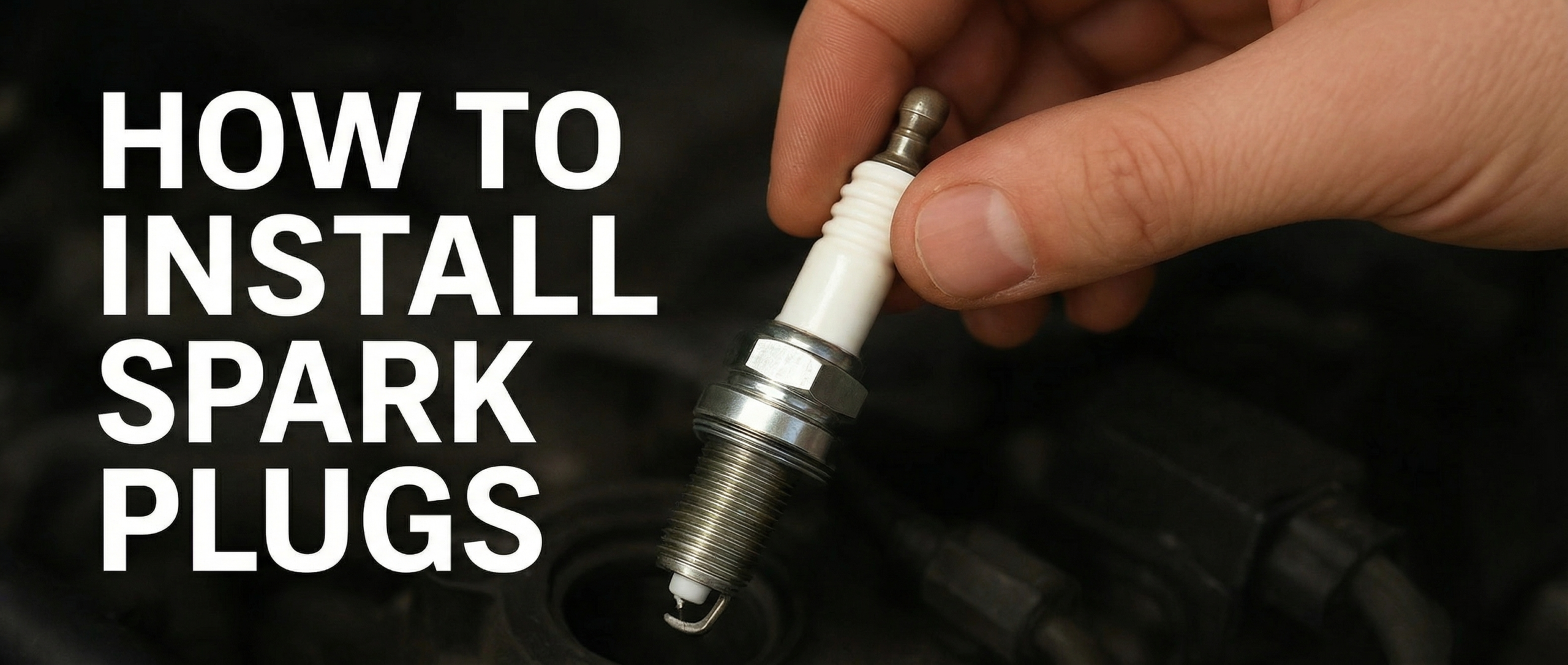
How To Install Spark Plugs

Close-up of a mechanic’s hand installing a new spark plug

Spark plugs play a pivotal role in igniting the air-fuel mixture in your engine, which is what makes your vehicle go “vroom.” At their core, spark plugs are small but mighty, delivering just the right zap of electricity to spark your engine’s combustion. Without them, well, you’ll be sitting in silence.

Keeping those spark plugs in tip-top shape is key to your car’s health. When they’re working right, your car starts smoothly, accelerates like a dream, and gets better fuel efficiency. But neglect them, and you might start noticing rough starts, misfires, or your car just guzzling gas like it’s free.

Wondering when it might be time to change them? Pay attention to those telltale signs. If your car’s having a hard time starting, or you’re noticing weird noises, it could be those plugs. Also, if the ‘Check Engine’ light starts giving you a hard time, it could be a hint that your car’s trying to tell you something.

Recognizing the symptoms of a failing spark plug early on can save you a bunch of headaches and maybe a call to a tow truck. By understanding how spark plugs work and what they do, you’re already on the road to becoming a more informed car owner.

Gathering the Necessary Tools and Materials

Before diving into the spark plug swap, you’ll want to gather up a few tools to make the job smoother. First off, a quality spark plug socket is a must. It’s got a little rubber insert that grips your spark plug and helps you avoid smashing it accidentally.

You’ll need a good old-fashioned ratchet wrench to go with that socket. Having an extension bar can be a real lifesaver too, especially when plugs are tucked away in hard-to-reach spots. A gap gauge is essential as well, for checking the electrode gap on new plugs.

Don’t forget the safety gear. Have a pair of gloves to protect those hands and safety glasses to keep any dirt or debris from catching you by surprise. Working with engines can get messy!

Make sure you’re snagging the right spark plugs for your make and model. Your car’s manual is your best friend here, giving you specifications for the spark plugs designed for peak performance.

Everything in hand? Awesome! With all your tools and plugs ready, you’re setting the stage for a smoother, faster spark plug change.

Preparing Your Vehicle for Spark Plug Installation

Before rolling up those sleeves, make sure your car’s parked on a flat surface and the engine is cool to the touch. Safety first to avoid getting burned or having your car roll away mid-fix!

Popping the bonnet, you’re looking to locate those spark plugs. Depending on your vehicle, they could be front and center or hiding in the back. A little tip: they’re connected to the wires that look like they’ve been through a few road trips, so follow those if you’re having trouble.

Once you’ve got them in sight, take a moment to look for any dirt or grime in the area. You want as clean a space as possible to prevent anything unwanted from sneaking into the engine while you work.

A little cleaning magic with some compressed air can help blow away loose debris. If you’ve got a vacuum handy, that’ll work to suck up any clingers-on hanging out near the plugs. Last thing you want is a dust bunny taking a joyride in your engine.

With a tidy workspace and everything set, you’re now ready to move on to the main event: getting those old spark plugs out and the new ones in.

Step-by-Step Guide to Installing New Spark Plugs

First, grab your socket wrench and carefully remove the old spark plugs. Rely on that spark plug socket to grip them securely without cracking or stripping anything. Lefty loosey: turn counter-clockwise to get them out.

When those old plugs are free, take a moment to check them out. They’ll tell you a lot about how your engine’s been running. Oily or charred plugs might hint at deeper engine troubles.

Before popping in the shiny new plugs, use a gap gauge to ensure they’re set just right. Manufacturers recommend specific gaps for a reason—to help make sure the spark can do its best work {find the correct gap for your specific vehicle in the owner’s manual} . A little fine-tuning now can prevent bigger headaches later.

Thread the new (eBay link) spark plugs in by hand first. Keeps things snug without the risk of cross-threading. Once it’s in there, tighten with your socket wrench—just enough to secure it. No need to go Hercules on it!

Reconnect the spark plug wires by simply pushing them back onto the new plugs until you hear a satisfying click. Ensure all connections are tight so no sparks go flying in the wrong direction.

Everything back in its place? Awesome. Double-check that each connection is secure so your engine’s ready to roar back to life. With this process down, you’re practically spark plug royalty at this point.

Post-Installation Tips and Regular Maintenance

Now that those spark plugs are in, it’s time to test your handiwork. Start the engine and listen for a smooth, steady purr. Any popping or stuttering might suggest something needs another look.

Take the car for a short spin to make sure everything feels right. Keep an ear out for any odd noises and check for any lights on the dashboard that might signal issues.

Regular maintenance is crucial for keeping your spark plugs in the best shape. Depending on the type of plugs, plan to check or replace them every 20,000 to 100,000 miles—your owner’s manual will have exact numbers.

Spot any issues after installation, like rough idling or starting troubles? It might not just be your plugs. Double-check the connections or look for other potential problems like faulty ignition wires.

Staying on top of your maintenance schedule ensures longevity and better performance of your engine. With each check, you get a little more familiar with your car, making future repairs and tweaks less daunting.

You’ve taken a huge step in auto care by tackling the spark plugs yourself. Keep it up and your car will thank you with smoother drives and fewer trips to the mechanic.

Exploring Hypereutectic Pistons And Their Benefits

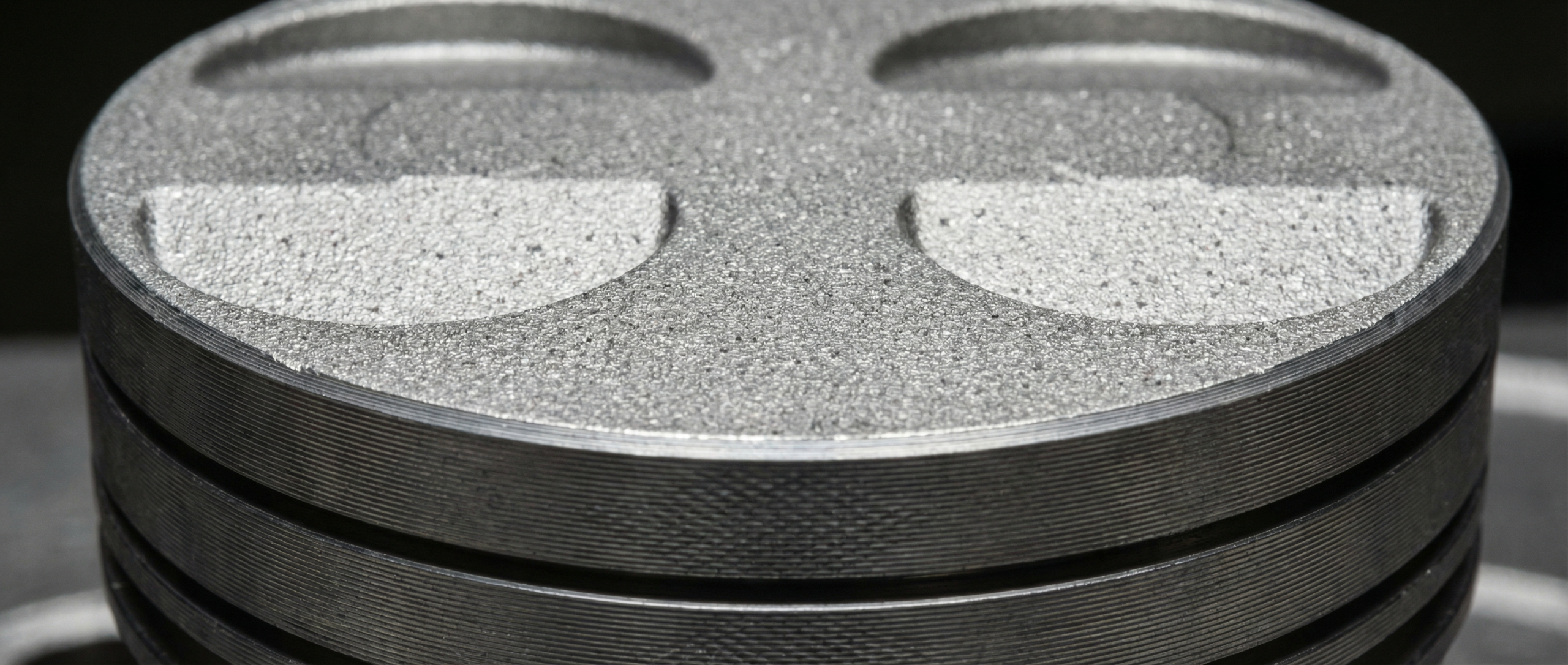
Close-up of a hypereutectic piston
– Detailed macro shot showing the piston crown and skirt surface texture.

Hypereutectic pistons might sound like something straight out of a sci-fi flick, but they’re actually pretty down-to-earth tech with some neat scientific tricks up their sleeves. So what are they exactly? These pistons are made using a special aluminum alloy that has a higher silicon content. This tweak in their chemistry isn’t just for show. It gives these pistons some serious advantages, especially when you pop them into certain engines.

But let’s back up a bit to understand the whole eutectic and hypereutectic deal. We’re diving into the world of metallurgy here. Eutectic refers to an aluminum-silicon alloy with just the right mix of both – exactly 12.6% silicon. Anything more, and you’ve crossed into hypereutectic territory. Adding more silicon changes the game by enhancing the properties of the aluminum in ways we’re about to explore.

Piston tech has come a long way. Back in the day, most pistons were pretty basic, but as engines got more powerful and demanding, pistons had to step up. Hypereutectic pistons are a part of this evolution, offering a balance between the performance boost of forged pistons and the affordability of standard cast ones.

The secret weapon in hypereutectic pistons is their silicon content. Silicon lowers the expansion rate of the piston, resisting heat distortion like a champ. This means cylinders fit tighter, keeping the seal strong as the engine powers on. Less slop means more power and control, which is a big win in the piston world. So yeah, these aren’t just fancy spare parts; they’re a cornerstone of modern engine design.

Horsepower Capacity and Performance Capabilities

Hypereutectic pistons are kind of like the unsung heroes when it comes to handling horsepower. When people wonder about their capacity, they often find that these pistons can comfortably handle up to about 400 horsepower without breaking a sweat. This makes them a solid choice for those engine builds where you’ve got a bit more power on a budget, yet still want reliability.

Several factors come into play when determining how much juice these pistons can take. Engine balance, tuning, and the overall build quality of the engine are big players. It’s not just the pistons—they’re only one part of the power equation. A well-balanced setup ensures that you aren’t over-stressing any single component, prolonging the engine’s life.

Stacking up against other piston types like forged and cast, hypereutectic pistons sit in that sweet spot of offering great heat resistance and better power handling without the hefty price tag that comes with more premium options. It’s all about weighing your specific needs in terms of performance and cost.

Best case scenarios for hypereutectic pistons often involve street and moderate performance cars where reliability tops the need list, but there’s no need to push the extremes. If you’re the kind of driver who’s not gunning for the racetrack but still wants a robust system for your ride, these pistons are absolutely worth considering.

Thermal Expansion: A Key Characteristic of Hypereutectic Pistons

One of the standout traits of hypereutectic pistons is how they handle the heat. As engines rumble, temperatures skyrocket, and not every piston can handle that heat gracefully. Here’s where hypereutectic pistons really shine—they’re masters at resisting thermal expansion, all thanks to their high silicon content.

In simpler terms, while most metals expand with heat, hypereutectic pistons keep their cool and expand less than other types. This controlled expansion means they maintain their shape better, leading to tighter engine tolerances and improved engine efficiency over time. This is particularly handy in engines where temperature control is key to keeping things running smoothly.

Now, you might wonder how they stack up against other pistons like forged or regular cast when it comes to heat management. Forged pistons expand more, which can lead to issues if not handled right. Cast pistons, on the other hand, may not have the same high-temp handling capabilities. Hypereutectic pistons fall in a happy medium where you get less heat expansion without the need for costly treatments or precise tuning.

Why does this matter? For those who prioritize engine longevity and performance, less expansion means that the pistons maintain their fit within the cylinders over time, reducing wear and tear. It’s all about maintaining precision in an environment that loves to throw intense heat and pressure. If you’re looking for durability without the need for constant tinkering, hypereutectic pistons are a solid bet.

Hypereutectic vs. Cast Pistons: Differences & Advantages

When comparing hypereutectic pistons with traditional cast pistons, the differences are clear and compelling. Essentially, both types start from the same casting process, but it’s the material compositions and the minor tweaks in manufacturing that set them apart.

In a standard cast piston, the focus is often on keeping costs low while maintaining basic functionality. However, these pistons might struggle under high-performance demands. Hypereutectic pistons, with their added silicon, bring a modern twist to the casting process. This silicon helps them handle heat better and resist wear over time.

The unique casting process for hypereutectic pistons results in a denser, more stable piston, which directly translates to improved durability. Such pistons are often preferred for engines that require a balance of thermal management and strength, making them ideal for enthusiast-level car builds and moderate performance upgrades.

Performance-wise, hypereutectic pistons offer more resilience under stress than their regular cast counterparts without bumping up the cost too much. If you’re looking for a dependable choice for a build that pushes beyond everyday driving without entering into the realm of extreme modifications, these pistons might just be your perfect match.

In terms of making a choice, consider what you need from your engine. If longevity and reliability in variable conditions are key, especially when you’re stretching out for additional power, hypereutectic pistons provide a tangible edge. They give you a lot more muscle without the premium price tag, making them a worthy consideration for a practical yet performance-oriented build.

Applications and Benefits of Hypereutectic Pistons in Modern Engines

Hypereutectic pistons aren’t just for gearheads—they’ve carved out a significant role in a variety of modern engines. The magic blend of affordability and durability has made them popular in not only personal vehicles but also in commercial and industrial applications. From streetcars to boats, their adaptability is something to appreciate.

When it comes to enhancing engine efficiency, these pistons are a top choice. They maintain close tolerances, ensuring optimal combustion and performance. This is crucial for folks who value fuel efficiency alongside performance—kind of like having your cake and eating it too. They make for a smooth ride while getting the most miles out of a full tank.

Common scenarios where these pistons shine include engines where moderate power increases are desired without upgrading to more expensive solutions. They work well in daily drivers looking for reliability or weekend warriors who enjoy both spirited driving and long hauls. They’re adaptable enough to provide significant benefits without the substantial costs associated with high-end upgrades.

In terms of longevity and cost efficiency, hypereutectic pistons are tough to beat. They’re cheaper than forged pistons yet offer much of the same heat resistance, making them a good return on investment. Less frequent replacements and maintenance are bonuses, too. They help keep engines running optimally over time, offering peace of mind for those concerned about long-term performance.

Industry experts often highlight the ongoing innovations in hypereutectic piston design, which are leading to even better performance and reliability. For those who are contemplating future upgrades or currently planning a build, watching these developments is wise. The broad application and steady advancements mean hypereutectic pistons will likely remain a staple in engine technology for many years to come.

Pros and Cons of a Hypereutectic Piston

Table chart showing pros and cons of  hypereutectic Pistons

The Different Types Of Spark Plugs Explained

Close-up macro shot of spark plugs on a reflective surface

Every car needs a spark to start its engine, and that’s precisely what spark plugs are designed to provide. But what are these tiny devices, and how do they work their magic? Allow me to take you through it. Simply put, spark plugs are responsible for igniting the air-fuel mixture in your engine’s cylinders, a process crucial for getting your vehicle up and running. Without them, you’d be going nowhere fast.

So, what’s inside these little wonder plugs that make them so powerful? At the core, a spark plug consists of an electrode core encased in a ceramic insulator and a metal shell. When a voltage is applied across the electrodes, it creates a spark that kicks off the combustion process. This controlled explosion is what powers your engine, turning fuel into motion.

Now, let’s talk about how these spark plugs impact the way your car performs. Ever notice how some cars just seem to purr while others stutter and stall? That’s the spark plug’s impact in action. They play a critical role in maintaining engine efficiency and ensuring your ride is smooth. Good spark plugs can even help keep fuel consumption in check, so fewer stops at the gas station!

Over the years, spark plugs have seen a ton of evolution. From the basic designs in early automobiles to today’s high-tech variants, there’s been a significant leap. Modern spark plugs are designed to handle higher temperatures and pressures, delivering better fuel efficiency and lower emissions. It’s all about keeping your engine and the environment as happy as possible.

Understanding these bad boys is key to keeping your car at its best. They’re like the unsung heroes of your vehicle’s engine, quietly doing their job so you can enjoy your ride. Whether you’re a gearhead or just someone who relies on their car to get from point A to point B, knowing a bit about spark plugs can save you time, money, and maybe even a little frustration down the road.

Exploring the Different Types of Spark Plugs

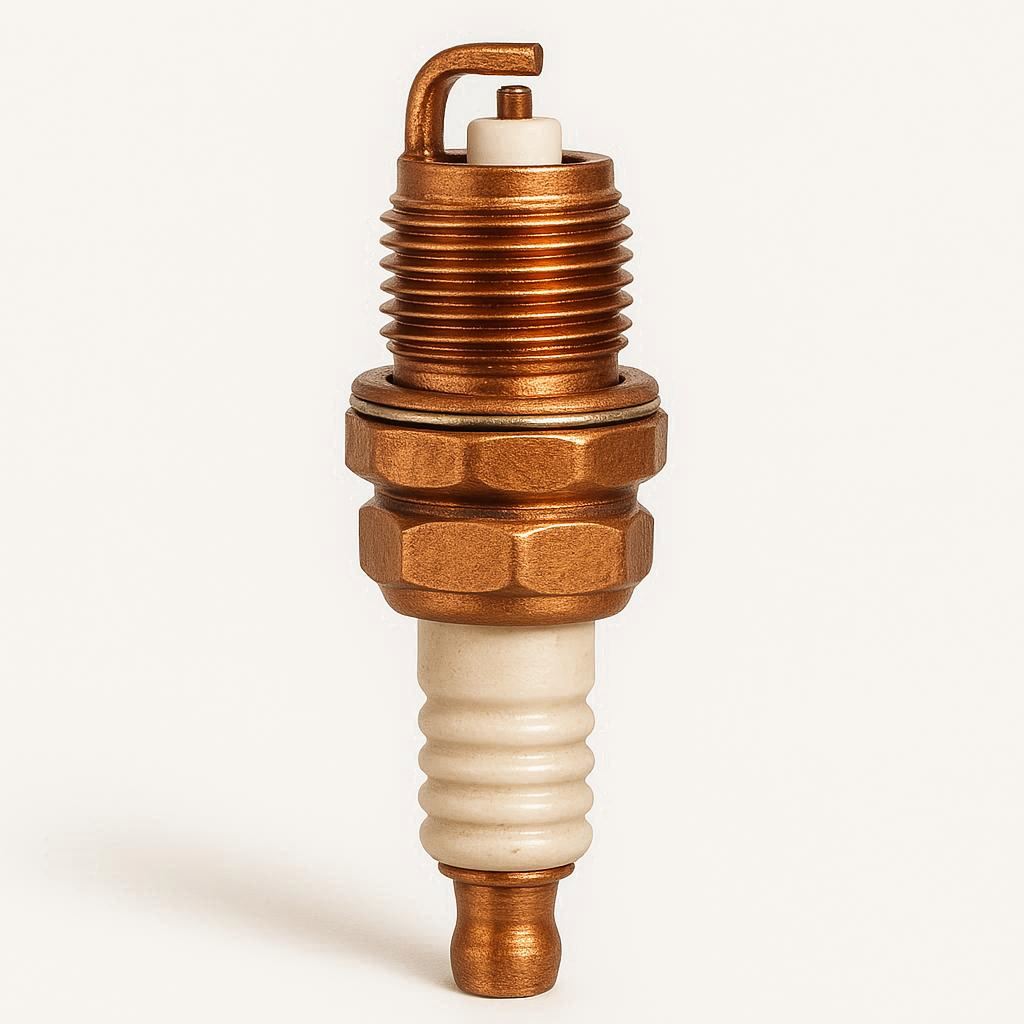
Spark plugs come in a few different varieties, each with its unique perks and quirks. Copper spark plugs

Copper spark plug


for instance, are the old-school champions—popular for their affordability and reliable performance. They’re perfect if you’re budget-conscious but want something that gets the job done without too many frills. The downside is that they wear out faster, so be ready to replace them every so often.

Then there’s the superstar of durability—iridium spark plugs.

Iridium spark plug


This type sports a super tough electrode that’s all about longevity. It’s great for those who want to set it and forget it, as these plugs require less frequent changes than their copper counterparts. Besides lasting longer, they deliver a more focused spark, enhancing performance.

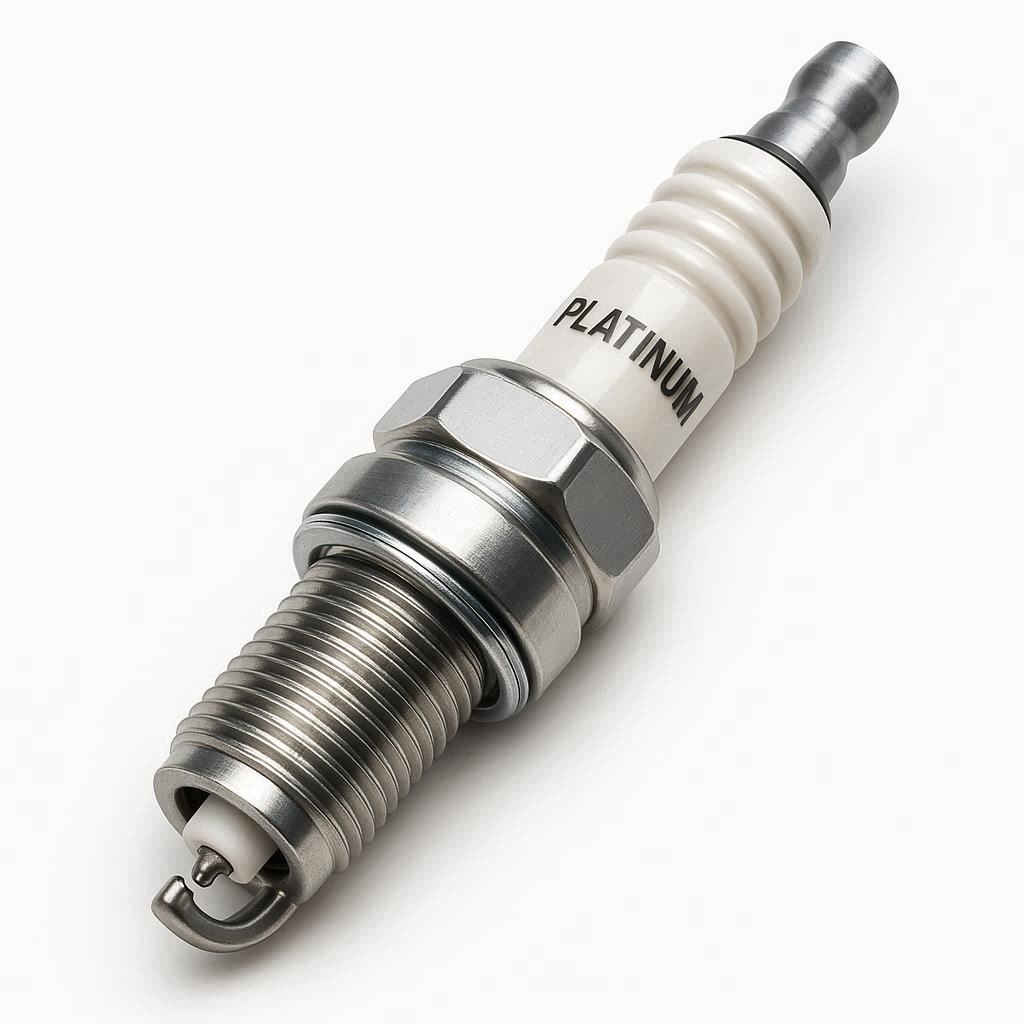
Platinum spark plugs

Platinum spark plug


are like the middle child in this trio, offering a sweet spot between affordability and longevity. These plugs have a platinum disc welded to the center electrode, which keeps them running longer than copper and at a cost that’s less intimidating than iridium.

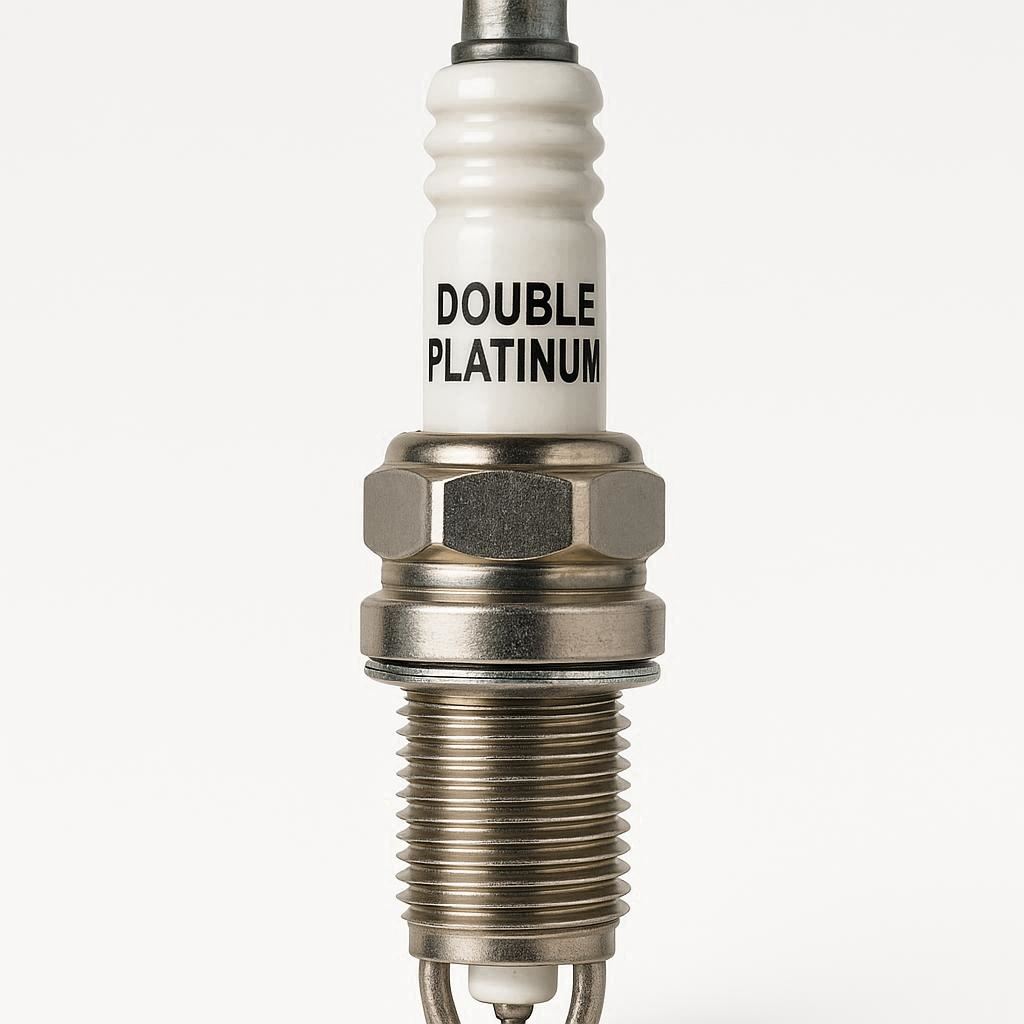
For those who won’t settle for anything but the best, double platinum

Double platinum spark plug


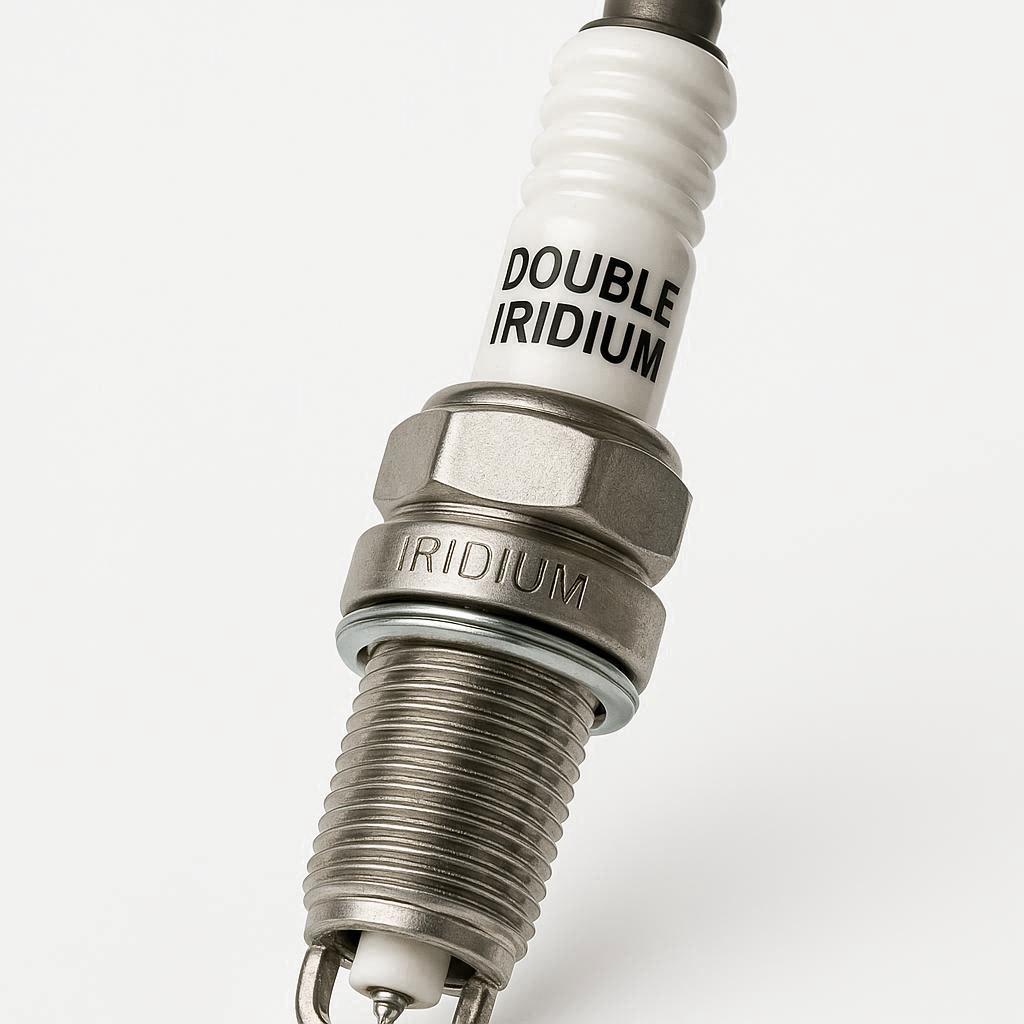
and double iridium plugs

Double iridium spark plug

bring advanced performance to the table. They’re engineered to withstand extreme conditions and provide consistent spark energy, making them ideal for high-performance vehicles. Expect improved starting reliability and smoother engine operation once these powerhouses are in place.

Of course, it’s not just about the materials. Spark plug design also plays a big role in different car models. Engine configurations, ignition systems, and usage conditions all factor into deciding which plug fits best. Understanding your car’s specific needs and how these plugs function can make choosing the right one a breeze.

Factors to Consider When Selecting a Spark Plug

Choosing a spark plug isn’t just about sticking with what came with your car or picking the cheapest option off the shelf. It’s more of an art than it seems at first glance. One of the biggest things to think about is the heat range. This determines how well a plug can cope with the combustion temperatures inside your engine. If it’s too hot or too cold, it could mean trouble down the line.

Then there’s the electrode configuration. Different designs can harness spark energy more efficiently, which can boost performance or fuel efficiency. You’ll want to make sure the design matches what your car needs, or else that spark plug might not be doing much good.

Compatibility is also key. You can’t just grab any spark plug and expect magic. Each engine has its requirements and quirks, making it crucial to check manufacturer recommendations. This can save you from an unfortunate mismatch that might affect your ride’s performance.

Price vs. performance is the eternal rebellion. Sure, you might want to save some cash now, but going cheap can cost you in efficiency and lifespan down the road. It’s worth weighing what you need against what you’re willing to spend; sometimes a little extra investment upfront means more savings over time and fewer trips to the garage.

Choosing the Right Spark Plug for Your Vehicle

The question of which spark plug is best might seem daunting, but it boils down to a few key considerations. There’s no one-size-fits-all answer, as the right spark plug depends on your car, driving style, and the environment you drive in. Weighing these factors can help steer you toward the ideal choice.

Your driving habits play a big role here. If you’re someone who loves pushing your car to its limits, then high-performance plugs like iridium or double platinum might be your best bet. They can handle the heat and pressure of aggressive driving better than standard copper plugs. On the flip side, if your car mostly sees casual city driving, copper spark plugs could do just fine without hurting your wallet.

Environmental factors shouldn’t be overlooked either. Driving in extreme temperatures or high altitudes can impact how your spark plug performs. Some plugs are better suited for colder climates or high-altitude areas, so it’s worth considering where you spend the most time on the road.

To make the best choice, crack open that car manual, or check out the manufacturer’s guide for reliable info on what your specific vehicle needs. These guides are like the ultimate cheat sheet to ensure compatibility and performance.

Sometimes, a little expert advice goes a long way. Chatting with a mechanic can provide insights you might not find online or in manuals. They can offer personalized suggestions based on their experience with vehicles like yours or the conditions in your area.

Common Piston Problems And How To Fix Them

Pistons are like the heart of your car’s engine, pumping power to get you moving. Without them, your engine’s just a hunk of metal. They handle crazy heat and pressure every time you rev up that engine, which is why you gotta know what can go wrong.

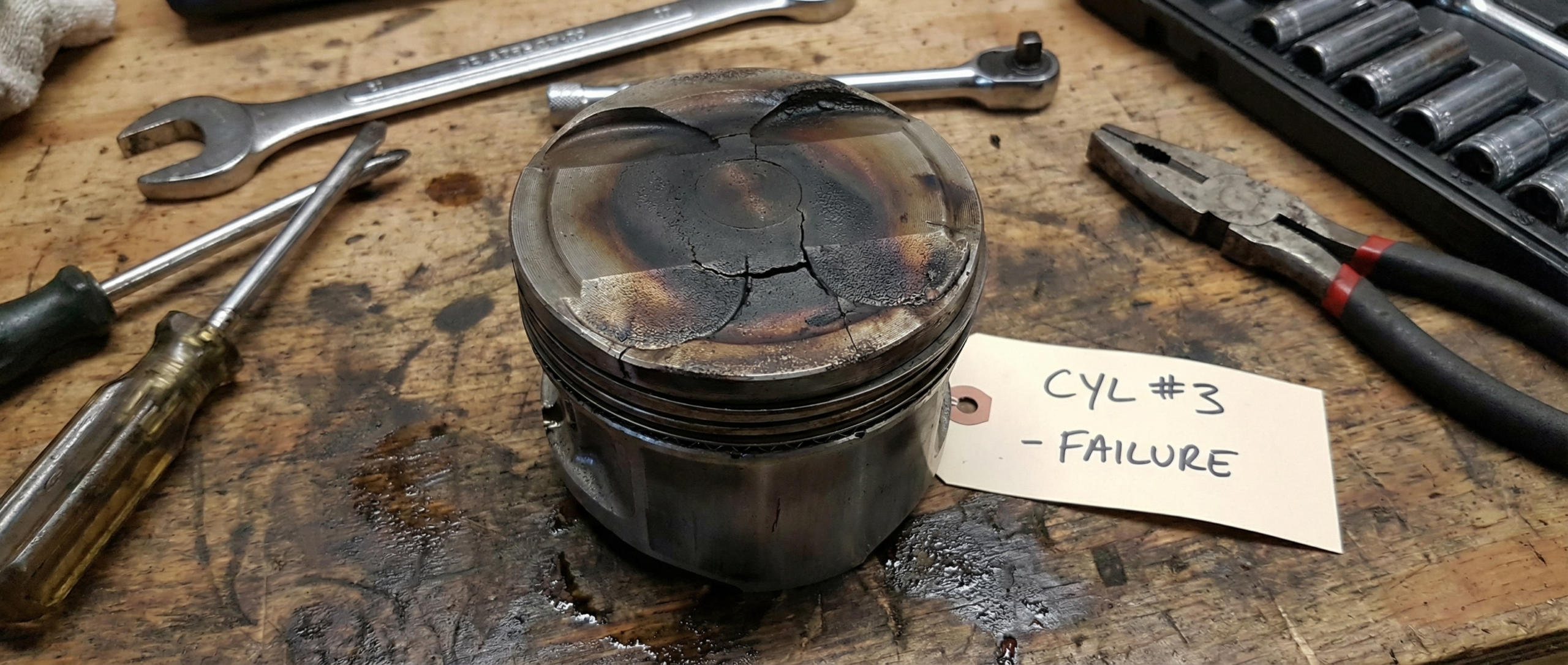
A worn, cracked, or scorched piston placed on a mechanic’s table with tools around it. Perfect for highlighting “problems

So, what’s the deal with pistons going bad? Understanding common piston problems isn’t just for gearheads or mechanics; it’s about keeping your ride smooth and avoiding sudden breakdowns. Whether it’s delivering less power than your grandma’s old sedan or making weird noises like a haunted washing machine, knowing the signs can save you heaps of trouble.

Pistons can face all kinds of issues, from normal wear and tear to stuff like overheating or being worn down by relentless friction. Knowing even the basics of what could go wrong lets you get ahead of problems before they grow into a full-blown disaster. Trust me, a proactive approach beats a hefty repair bill anytime!

Learning about pistons and their quirks means you’re treating your car with respect. It’s like having a chat with your mechanic friend who doesn’t charge you for good advice.

Identifying Piston Damage: How Do Pistons Get Damaged?

Pistons take a beating, day in and day out, playing the tough part of moving your vehicle forward. Over time, they can pop up with a few problems. Understanding how they get damaged is key to keeping your engine in good nick.

One major culprit behind piston damage is overheating. An engine running too hot can cause pistons to expand excessively, leading to scuffing against the cylinder walls. This isn’t just bad for the pistons; it can mess up the entire engine block.

Friction is another sneak attacker. When pistons lose their nice smooth surface, thanks to worn-out parts or poor lubrication, friction increases. This leads to scoring and grooves which aren’t just unsightly—they reduce the efficiency of your engine.

Detonation, or engine knock, creates another set of problems. This is when fuel ignites too early in the cylinder. That bang is bad news and can cause pistons to crack or even shatter if not addressed.

Normal wear and tear are expected, but catastrophic failures catch most folks off guard. Everything from ignoring routine maintenance to using the wrong oil can speed up wear.

Common signs of damaged pistons include odd knocking sounds, reduction in power, and sometimes, excessive smoke. Spotting these early means you can step in with a fix before things get costly.

Understanding these causes and symptoms sets you up to take action. Rather than wait for a total breakdown, nip issues in the bud and keep those pistons humming smoothly for years to come.

Quick Cleaning Tips: How to Clean Pistons Without Removing Them

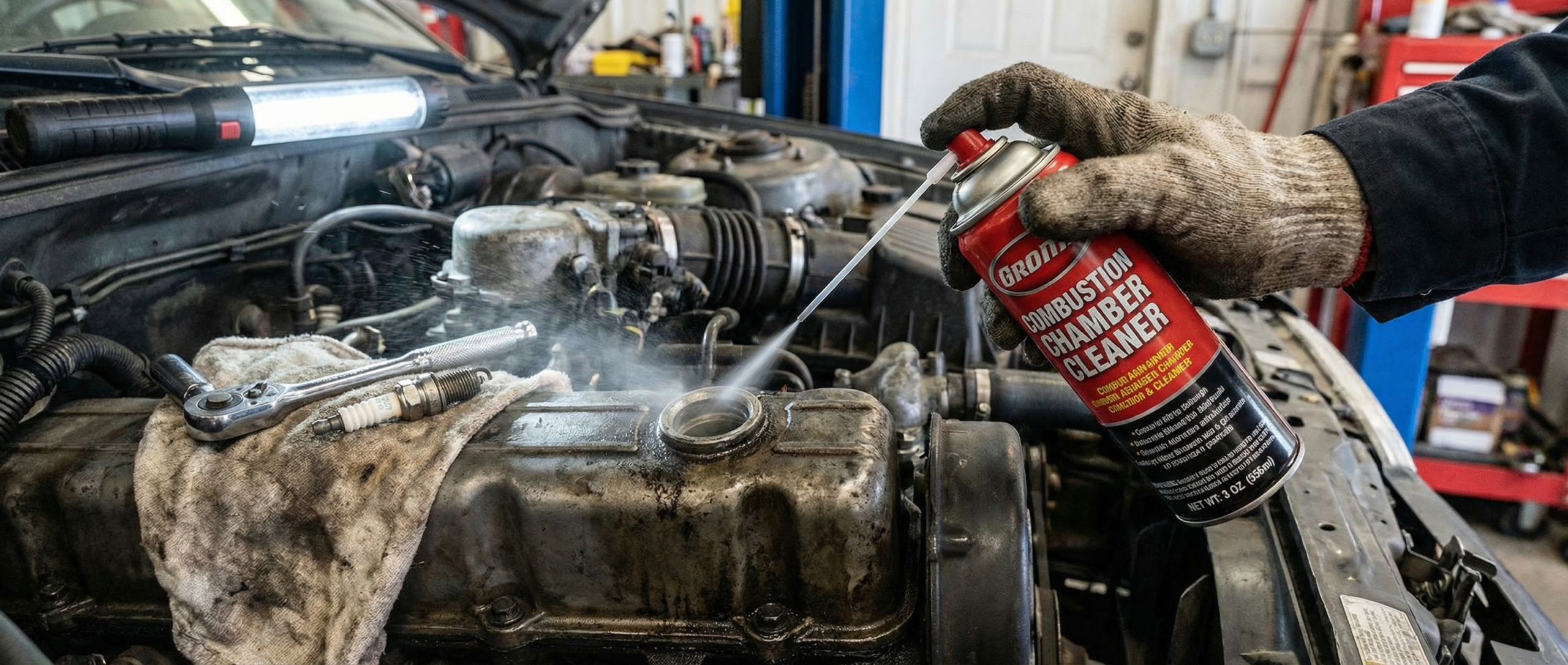
A realistic shot showing an aerosol combustion-chamber cleaner being applied through the spark plug opening — directly related to “cleaning pistons without removal.”

Cleaning pistons without tearing down the engine might sound tricky, but it’s a totally doable task with the right approach. Grab the essential cleaning gear and save yourself from a messy engine teardown.

To kick things off, a quality fuel additive designed for cleaning engines can work wonders. These additives break down carbon deposits while you drive, gradually cleaning pistons and improving engine performance.

For an even deeper clean, using a chemical cleaner that can be introduced through the air intake system is key. This method loosens stubborn grime, letting you tackle build-up without popping the hood.

A handy tool here is a bore brush attached to a drill. Carefully insert through the spark plug hole (engine off, please!) to scrape away carbon deposits. This hands-on approach requires patience but can be seriously effective.

While there are DIY methods galore, remember that these come with limitations. Serious build-up might need professional attention or, yes, removing those pistons for a deeper clean.

Keeping those pistons clean not only supports engine performance but also extends the life of your car. Consider this mission more of a routine than a chore, and your engine will thank you in the long run.

Recognizing Symptoms: How to Diagnose a Bad Piston?

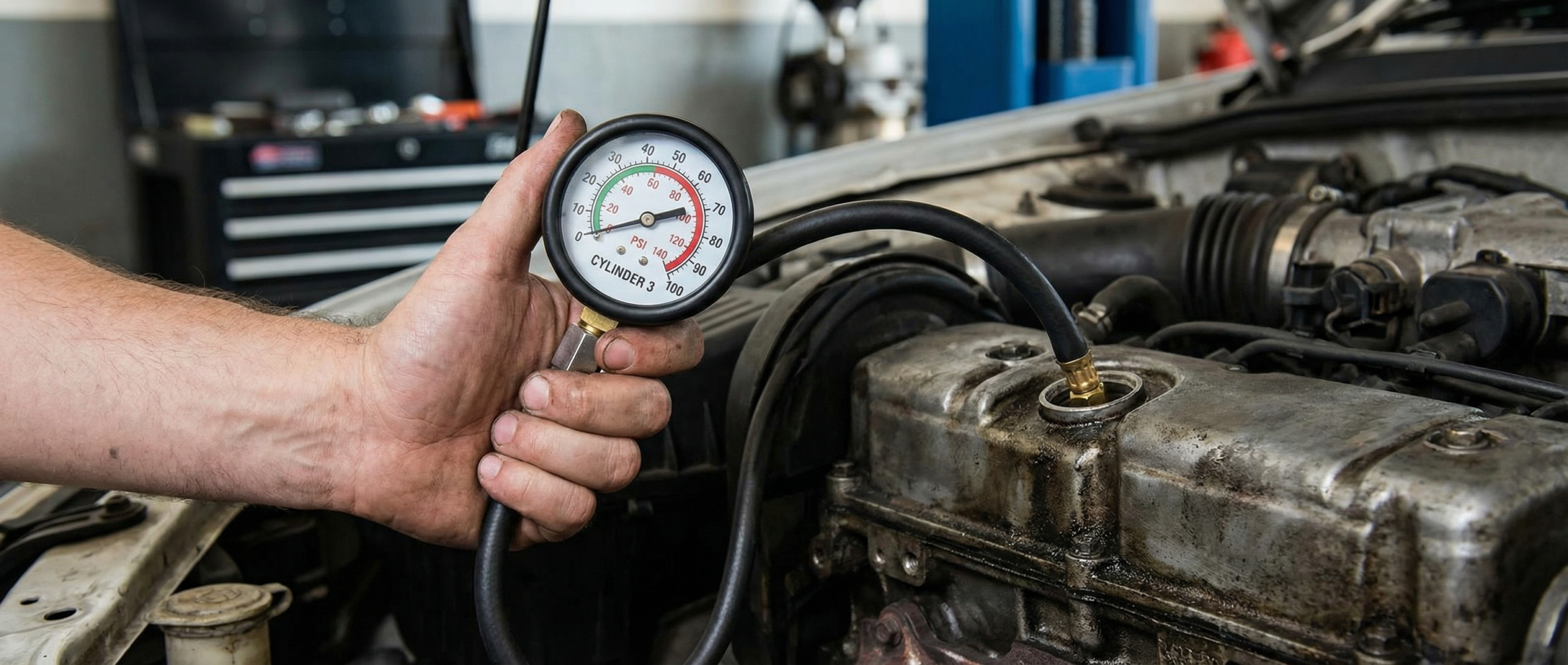
A compression gauge attached to the engine, showing low or uneven readings.
This visually represents a key diagnostic method for bad pistons.

Spotting a bad piston early saves you a truckload of hassle down the road. Diagnosing issues before they spiral into full-blown engine failures is all about being attentive.

First off, listen out for unusual knocking or tapping sounds, often referred to as ‘piston slap.’ This happens when pistons rock excessively in their cylinders. While a little slap might be harmless in a cold engine, persistent noise is a red flag.

Next, check for any decline in engine performance. If your car’s behaving like it’s not getting the memo to move, a bad piston might be holding things back. Fuel consumption spikes and a noticeable lack of power hint that something’s amiss.

Excessive smoke from the exhaust is another symptom to watch. Blue or gray smoke can mean oil slipping past damaged pistons into the combustion chamber. Not a good look, and definitely not ‘brush it off’ territory.

Engine diagnostics is where tools come into play. A compression test is your go-to here. It measures the pressure each piston can generate. A significantly lower reading in one cylinder? That’s a strong clue that the piston needs checking.

A borescope, which is basically a tiny camera, lets you peek inside the cylinder without taking the engine apart. Spotting pitting or scoring through the borescope can confirm suspicions about piston wear or damage.

Whenever diagnosing piston issues gets beyond the basics, it’s wise to loop in a pro. They can offer insights and options, and help decide whether it’s a repair job or time to crank up for a replacement. Trusting your gut and acting fast can save time and money, and keep your car in top shape.

Repair and Mitigation: Common Solutions for Piston Problems

Once you’ve nailed down a piston problem, the next move is all about deciding between repair or replacement. Let’s talk options.

For minor piston issues like light scuffing or small cracks, repairs might be on the table. Specialized fillers can patch up tiny imperfections and smooth out surfaces, which helps restore functionality without the hefty price tag of new parts.

But, if the damage is more severe—think cracked or broken piston skirts—it’s probably replacement time. While the upfront cost might seem steep, think of it as an investment in your car’s engine health and longevity.

When assessing repair versus replace, consider the age and overall condition of your engine. Sometimes, putting new pistons into an ancient engine doesn’t make the most sense financially or mechanically.

Preventive measures play a big role here. Using high-quality fuels and oils reduces risk factors like knocking or overheating that damage pistons. Also, staying on top of regular maintenance can stop little problems from becoming massive headaches.

Keeping an eye on engine tuning entails updates and adjustments that can prevent piston stress and strain, an often-overlooked aspect of engine care.

An ounce of prevention is worth a pound of cure when it comes to engine longevity. Actively making smart choices ensures that you’re protecting your engine and wallet over time.

Prevention Tactics: How to Prevent Piston Failure?

Keeping pistons in peak condition starts with regular maintenance. Frequent oil changes might seem basic, but clean oil is crucial for minimizing friction and keeping pistons well-lubricated and cool.

Using top-notch fuel doesn’t just keep things running smoothly; it also helps avoid engine knocking, which can lead to piston damage. Consider sticking to higher-octane fuel, especially if your manufacturer suggests it, to support engine health.

Getting periodic engine tune-ups from a trusted mechanic can catch issues early and ensure everything’s working as intended. These tune-ups help adjust engine components to maintain balance and reduce undue stress on pistons.

Subtle changes in driving habits also have a big impact. Avoiding sudden accelerations and giving the engine a chance to warm up before hitting high speeds extends piston life. These practices cut down thermal shock and stress that wear out engine components faster.

Keeping an eye on the cooling system plays a significant role, too. Overheating can warp or crack pistons. Regular checks ensure that the system can properly cool the engine, keeping pistons safe from heat damage.

At the end of the day, awareness and proactive care matter most. A few preventative tweaks in your routine reduce risks significantly and keep your vehicle running strong.

Step-by-step Car Engine Piston Replacement

A mechanic's hand inserting a piston into cylinder bore with installation tool.

Hey folks! having trouble with your old pistons and want to replace them with new ones but wondering how to get the job done?. No worries at all i got your back, just sit back relax and let me take you through the whole process.

First thing’s first, let’s break it down. An engine is a bit like a mini orchestra, where each component plays its part to create a beautiful symphony (even if it’s sometimes just a quiet humming sound of content)—and your pistons are the passionate drumline that keep this rhythm alive. They move up and down inside the cylinders, turning fuel into motion through combustion. It’s a simple push-and-pull movement, but without it, your engine’s not going anywhere.

Now, how do you know it’s time to show some love to those hardworking pistons? Listen out for strange noises, a drop in fuel efficiency, or if your car’s just feeling off and not as peppy. Neglecting these signs might lead to bigger headaches or, worse, engine failure. So, a bit of proactive care can save you a heap of trouble down the road.

Remember, running an engine with damaged pistons is like trying to power a bike with a flat tire. Sure, you might move for a little while, but you’re not going to get far. Knowing the ins and outs of how your engine works and keeping an eye on its pistons, in particular, can keep your wheels turning smoothly for the long haul.

Preparing for Piston Replacement: Tools and Safety Measures

Different tools used to replace new pistons.


Start by gathering the right tools for the job. You’ll need a reliable set of sockets and wrenches—your go-to gang for any engine work. Plus, grab a torque wrench for precise tightening, some pliers, and perhaps a few specialty tools if your car’s got any quirks.

Safety isn’t just about looking cool with those goggles on. It’s about making sure your pistons aren’t the last thing you remember seeing. Wear protective gloves, eye protection, and make sure your workspace is clean and organized to avoid accidents.

Before you grab any new pistons off the shelf, ensure you’re picking the ones tailored for your car model. Double-check the specs and dimensions because one size does not fit all in the world of engines.

Preparation isn’t just about the tools—it’s about understanding the steps ahead. Take detailed notes or watch a few guides to familiarize yourself with the process. Make sure your car is on a flat surface, disconnect the battery for safety, and label everything as you go. This upfront effort saves heaps of time and reduces the “uh-oh” moments during reassembly.

Step-by-step Guide to Removing and Installing New Pistons

Start by opening up the engine carefully. It’s not just about unscrewing things willy-nilly—follow a logical order to avoid chaos later on.

Once inside, gently remove the old pistons by loosening the connecting rods. Keep all parts organized, maybe use small containers or even an ice cube tray to separate bolts and small parts.

Give those cylinders a good inspection. Run your fingers inside to feel for any scoring or damage. Any significant wear and tear might mean additional repairs or replacements are needed before installing new pistons.

Grab the new pistons and ensure they’re as clean as a whistle before installation. Fit them carefully into place, double-checking that they align perfectly. Misalignment could lead to bigger problems, so take your time.

As you reassemble, ensure each bolt is tightened to the specified torque. Over-tightening can hurt the components, and under-tightening can lead to a shaky engine, so strive for that perfect Goldilocks zone—just right.

Post-Replacement Checks and Maintenance Tips

After you’ve put everything back in place and the engine looks whole again, it’s time to make sure everything’s running smoothly. Start the engine and listen closely. Any odd noises or vibrations should be your cue to check things over once more.

Initially, take your car out for a short test drive, but stay close to home base just in case you need to make adjustments. Keep an ear out for any odd sounds and feel for any changes in power or handling.

Regular maintenance is your best friend from here on out. Stick to a proper oil change schedule and keep an eye on the temperature gauge—overheating can be a real piston killer.

If you’re ever in doubt about what you hear or if something feels off after your piston replacement, it might be time to call in a pro. A professional inspection could save you from future headaches and keep your engine in fit shape.